
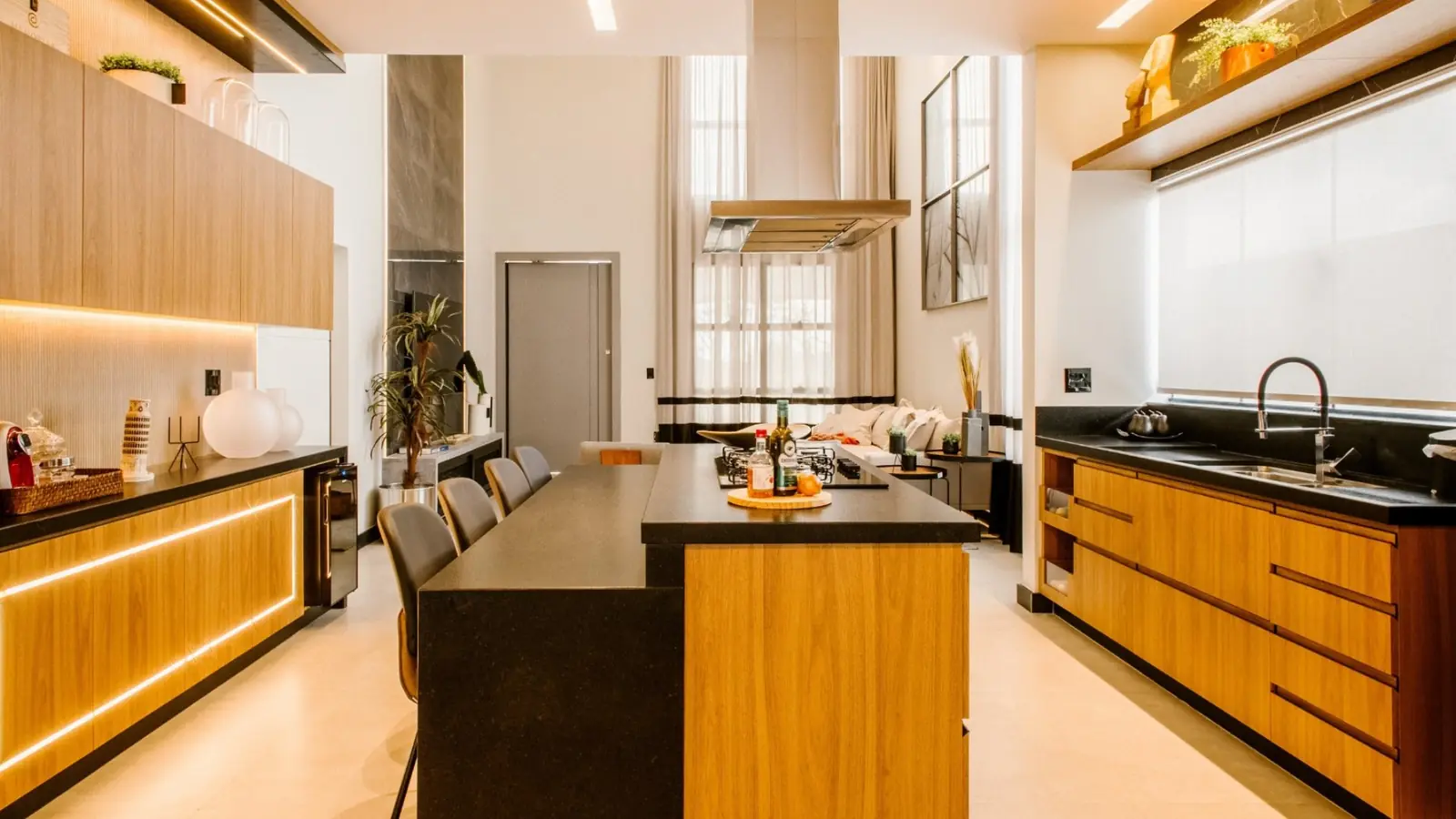
Add or upgrade a kitchen island to enhance functionality and entertaining space. Island design ideas, costs, and installation guide. In the Capital Region's competitive real estate market, quality renovations make a meaningful difference in both daily living and home value.
This comprehensive guide covers everything you need to know about kitchen island remodel, from initial planning and design to material selection, budgeting, and finding the right contractor. Whether you're in Albany, Troy, Saratoga Springs, Clifton Park, or any of the surrounding communities, understanding the process helps ensure your project succeeds.
Why Add or Upgrade a Kitchen Island?
A kitchen island transforms both functionality and the way your kitchen feels. Islands create additional workspace for meal prep, provide seating for casual dining and entertaining, offer storage solutions, and improve traffic flow in your kitchen layout. Whether you're adding an island to a kitchen that never had one or upgrading an existing island, this renovation delivers immediate and lasting value. Homeowners love islands because they become the natural gathering point in the kitchen, combining practicality with enhanced entertainment potential.
Island Design Options
Kitchen islands range from simple to elaborate. A basic island provides countertop space and storage. A mid-range island adds seating and integrated appliances like a cooktop or prep sink. A luxury island might feature a full kitchen setup, wine cooler, warming drawer, or built-in refrigeration. The best island design matches your kitchen layout, entertaining style, and workflow. Working with your contractor, you'll determine the ideal size, shape, materials, and features for your specific space.
Island Materials and Countertops
Your island countertop is both functional and visible, so material choice matters. Granite and marble add elegance and durability. Engineered stone like Caesarstone provides consistency and requires minimal maintenance. Butcher block adds warmth and character but requires regular oiling. Quartz offers contemporary style and exceptional durability. Choose materials that coordinate with your kitchen's overall design while offering the durability and maintenance profile that works for your lifestyle.
Planning Your Project
The foundation of any successful renovation is thoughtful planning. Start by defining your goals: Are you updating for comfort and lifestyle, preparing for resale, or both? What's your budget? What timeline works for your family? For island additions, consider electrical needs (if adding a cooktop), plumbing (if adding a sink), ventilation, seating space, and traffic flow. Clear answers to these questions guide every subsequent decision.
Island Installation Considerations
Adding or upgrading an island involves more than just placing a cabinet in the middle of your kitchen. Electrical work is often needed to power cooktops, appliances, or under-cabinet lighting. Plumbing may be required if you're adding a sink. Ventilation ductwork is necessary for cooktops. Gas lines might be needed for gas cooktops. Your contractor will assess existing utility locations and plan accordingly. Proper installation ensures safety, functionality, and code compliance throughout the project.
Design and Material Selection
Choose materials and finishes that align with your style while offering durability and practicality. Invest more in high-use areas and visible elements. Work with your contractor to source quality materials that will perform well in the Capital Region's climate. Your island countertop, cabinetry, and finishing details should tie into your overall kitchen aesthetic while delivering the functionality and durability your family needs.
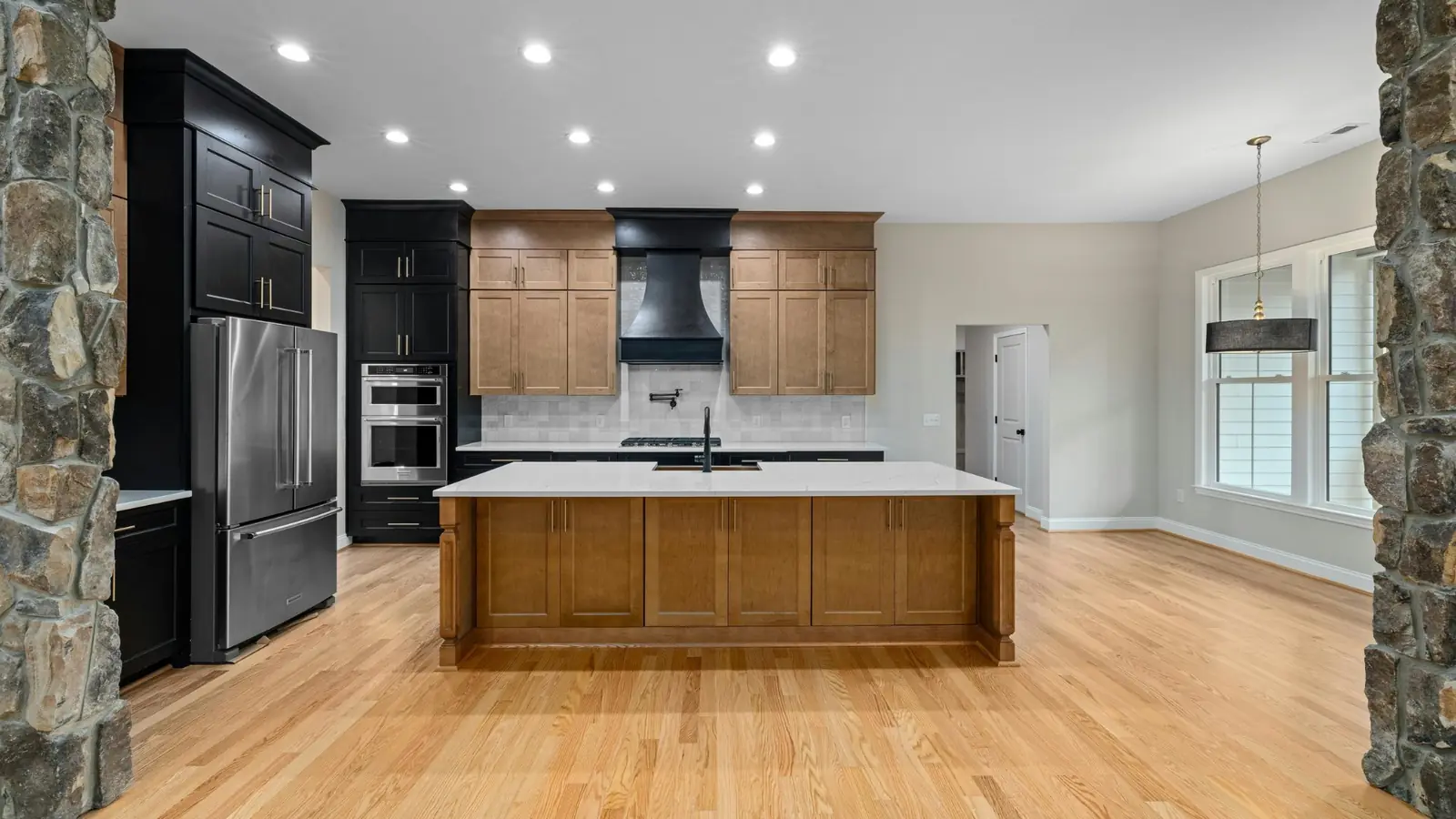
Professional installation ensures lasting quality and performance
Ready to Start Your Renovation?
Mastaba Kitchen & Bathroom Remodeling brings 15+ years of experience and owner-led oversight to every project. Work with Jeffrey Mason to bring your vision to life with quality, integrity, and attention to detail.
Call (518) 308-6427 →Choosing a Contractor
Select a licensed, insured, experienced contractor with strong local references. Interview multiple contractors. Request detailed written estimates. Check the Better Business Bureau and online reviews. The lowest bid is rarely the best choice, quality and reliability matter more.
Throughout Your Project
Maintain regular communication with your contractor. Visit the site frequently. Address concerns promptly. A collaborative approach ensures the final product meets your expectations and your contractor understands your preferences.
Related Articles
Frequently Asked Questions
What does a professional remodel include?
A professional remodel includes design consultation, material selection, permits, skilled labor, quality fixtures, and comprehensive warranty. Mastaba provides detailed planning and owner oversight throughout the project.
How much does a remodel cost?
Costs vary based on size, materials, and scope. Small projects start around $10,000. Mid-range projects run $25,000 to $60,000. Luxury projects can exceed $100,000. Get a detailed estimate from experienced contractors.
How long does a remodel take?
Most remodels take 6 to 16 weeks depending on scope and complexity. Custom details and appliance delivery may extend timelines. Your contractor should provide a detailed schedule.
Should I use a local contractor?
Yes. Local contractors understand regional building codes, climate considerations, and have established supplier relationships. They also provide better communication and accountability.
What should I look for in a contractor?
Choose licensed, insured contractors with local references, proven experience, transparent pricing, and clear communication. Verify insurance and bonding before hiring.
Will a remodel increase home value?
Yes. Quality remodels typically recoup 50 to 80% of costs at resale. More importantly, they dramatically improve your daily living experience and home comfort.