

Your home addition idea is clear in your mind. But before a single foundation post is dug, before any framing lumber is ordered, your vision must become detailed construction documents. These documents are the bridge between your imagination and actual construction. They define exactly what will be built, how it will be built, and what materials will be used. They satisfy building codes. They obtain permits. They guide contractors through every step.
This guide walks you through the planning process from initial concept through final construction documents. You'll understand each stage, what professionals you need, timelines, costs, and how quality plans prevent expensive mistakes during construction. By the end, you'll know exactly what separates a plan that works from one that fails.
The Six Stages of Home Addition Planning
Stage 1: Conceptual Discussions (1 to 2 Weeks)
You meet with an architect or designer and describe your vision. Where is the addition? What's the size? What activities happen there? How does it connect to your existing home? Your budget? Timeline? The architect sketches quick ideas and discusses options. This is idea generation, not detailed planning. Expect 2 to 4 hours of your time. Costs are minimal. The architect is understanding your needs and establishing a direction.
Stage 2: Concept Design and Site Review (2 to 3 Weeks)
The architect visits your property, surveys the site, measures the existing home, and reviews local zoning ordinances. They explore how the addition relates to your property setbacks, utilities, tree preservation requirements, and neighborhood character. Concept drawings emerge, rough sketches showing possible locations and rough sizes. You review these together and refine the direction. This stage clarifies feasibility before expensive detailed work begins.
Stage 3: Schematic Design (2 to 3 Weeks)
Now the architect prepares more detailed drawings at smaller scale. Floor plans show the addition's layout. Elevations show how the addition looks from outside. Sections show how roof heights coordinate with the existing home. Doors, windows, and architectural details start appearing. You review these drawings, and they guide further refinement. This stage defines the addition's general design without exhaustive detail.
Stage 4: Design Development (2 to 3 Weeks)
The architect develops the design further. Window types and sizes are specified. Exterior materials (siding, roofing, trim) are defined. Interior finishes (flooring, ceiling heights, wall treatments) are established. Structural systems are roughed in. HVAC, electrical, and plumbing strategies are outlined. Material specifications appear. Cost estimates become more accurate. This stage aims for design freeze, once you approve these documents, major changes become expensive.
Stage 5: Construction Document Preparation (2 to 4 Weeks)
The architect now prepares detailed construction documents at full scale. These drawings include every detail a contractor needs. Floor plans show exact dimensions, door and window locations, structural walls, and room uses. Electrical plans show outlet locations, light fixture locations, and circuit design. Plumbing plans show all fixtures and supply/drain lines. HVAC shows ductwork and equipment. Structural details show how the addition connects to the existing home. Details at larger scale show trim, corners, roofline intersections, and connections. A specification document lists every material with details and quality standards. The plan is now contract-level detail.
Stage 6: Permit Preparation and Submission (1 to 2 Weeks)
The architect prepares all documents required by the building department. This includes structural calculations, energy code compliance documentation, and zoning verification. Permit applications are submitted. The building department may request revisions. Usually, one revision round is needed. Permits are issued after 2 to 4 weeks. Your contractor receives approved permits and can schedule construction.
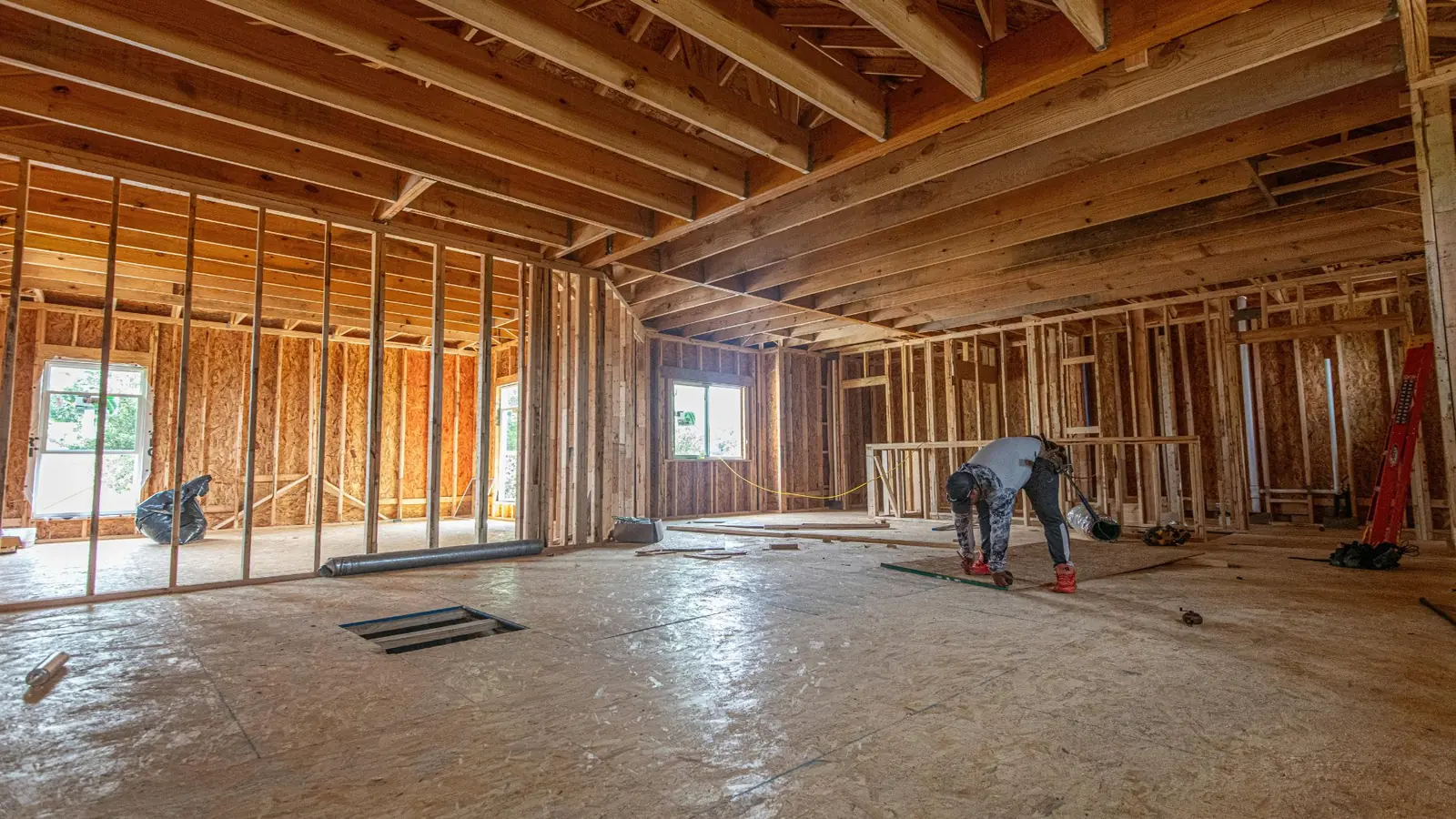
Quality construction documents ensure seamless integration between addition and existing home
Let's Plan Your Home Addition
Mastaba works with experienced local architects and designers to create plans that transform your vision into reality. From concept through construction, we guide the entire process.
Call (518) 308-6427 →What Detailed Construction Documents Include
Architectural Drawings
- Site plan: Shows property boundary, existing structures, utilities, proposed addition location, setbacks, and grading.
- Floor plan: Shows room layout, door/window locations, dimensions, structural walls, and mechanical spaces.
- Elevations: Four drawings showing how the addition looks from north, south, east, and west sides.
- Sections: Vertical cuts showing floor-to-floor heights, roof pitch, and how the addition integrates with the existing home.
- Details: Large-scale drawings showing how specific elements are constructed (window trim, door frame, eave detail, roof overhang, etc.).
Structural Drawings
- Foundation plan: Shows footings, foundation walls, and how the addition foundation connects to the existing home.
- Framing plan: Shows beam and column locations, roof framing, and how loads transfer through the structure.
- Structural details: Calculations and notes verifying the structure meets code and safely supports loads.
Mechanical Drawings
- Electrical plan: Shows all outlets, switches, light fixtures, panel location, and circuit numbering.
- Plumbing plan: Shows all fixtures (sinks, toilets, showers), water supply lines, and drain lines.
- HVAC plan: Shows furnace/AC location, ductwork routing, and supply/return registers.
Specifications
A written specification document defines materials and standards for every component. Exterior siding type and grade. Roofing material and warranty requirements. Window size, type, and energy rating. Door type and hardware. Interior paint quality and finish. Flooring material and installation standard. Insulation R-values. This document ensures your contractor uses quality materials consistent with the design intent.
Planning Timeline and Costs
Full Timeline from Concept to Construction Start
Expect 3 to 4 months:
- Months 1: Conceptual discussions and site review
- Month 1 to 2: Schematic and design development
- Month 2 to 3: Construction documents
- Month 3 to 4: Permit applications and approvals
- Month 4: Construction can begin after permits are approved
Architectural Fees
Expect $3,000 to $8,000 for a home addition, typically 5 to 10% of the project cost. A $50,000 addition might have $3,000 to $5,000 in architectural fees. A $100,000 addition might have $5,000 to $10,000 in architectural fees. Fees cover all design stages, construction documents, permit preparation, and coordination with your contractor.
Common Pitfalls in Home Addition Planning
Skipping Professional Design
Tempting to skip the architect and use contractor drawings to save money. This fails. Contractor drawings focus on construction cost, not design quality or code compliance. Additions without professional design often don't fit the existing home's architecture. Permits are delayed or denied. Construction reveals conflicts (utilities, structural incompatibilities) that halt progress and cost money. Professional design prevents these expensive failures.
Making Major Changes During Construction
Plans finalized before construction start. Changes during framing or finish are expensive. A window relocation costs $500 to $1,500 in changes and delays. An electrical circuit redesign disrupts electricians and delays rough-in. A flooring material change may require new subfloor prep. Finalize all decisions before demolition starts.
Underestimating Structural Complexity
Connecting an addition to an existing home requires careful structural coordination. Existing rooflines must integrate. Existing utilities must relocate or extend. New loads must transfer to existing foundations. Professional structural design ensures these connections are safe and code-compliant. DIY approaches fail structurally.
Related Articles
Frequently Asked Questions
What does a home addition plan include?
A complete home addition plan includes architectural drawings (site plans, floor plans, elevations, sections), structural details, electrical layouts, plumbing diagrams, HVAC specifications, material lists, and construction notes. Construction documents also include foundation details, roof design, and window schedules.
Do I need an architect or designer for a home addition?
Yes. A qualified architect or designer creates plans that integrate the addition with your existing home, ensure code compliance, and help obtain building permits. Professional plans prevent costly mistakes and ensure structural integrity. Most additions exceed $30,000 and warrant professional design.
How long does the design process take?
The design process typically takes 4 to 8 weeks. Concept drawings take 1 to 2 weeks. Schematic design takes 2 to 3 weeks. Design development takes 2 to 3 weeks. Construction document preparation takes 2 to 4 weeks. Permit preparation takes another 1 to 2 weeks.
How much do construction documents cost?
Architectural fees for a home addition typically range from $3,000 to $8,000 depending on complexity. This is usually 5 to 10% of the project cost. Architectural fees include all drawings, specifications, and permit documents needed for construction.
What permits are needed for a home addition?
A home addition requires building permits, structural permits, electrical permits, plumbing permits, mechanical (HVAC) permits, and possibly zoning approval. Permit requirements depend on the addition's size and complexity. Your contractor and architect handle all permit applications.
Can I modify plans during construction?
Yes, but changes cost time and money. Changes require revised drawings, new permits, and schedule delays. The earlier in the process you finalize decisions, the fewer expensive changes occur during construction. Budget 5 to 10% contingency for unavoidable design modifications.