
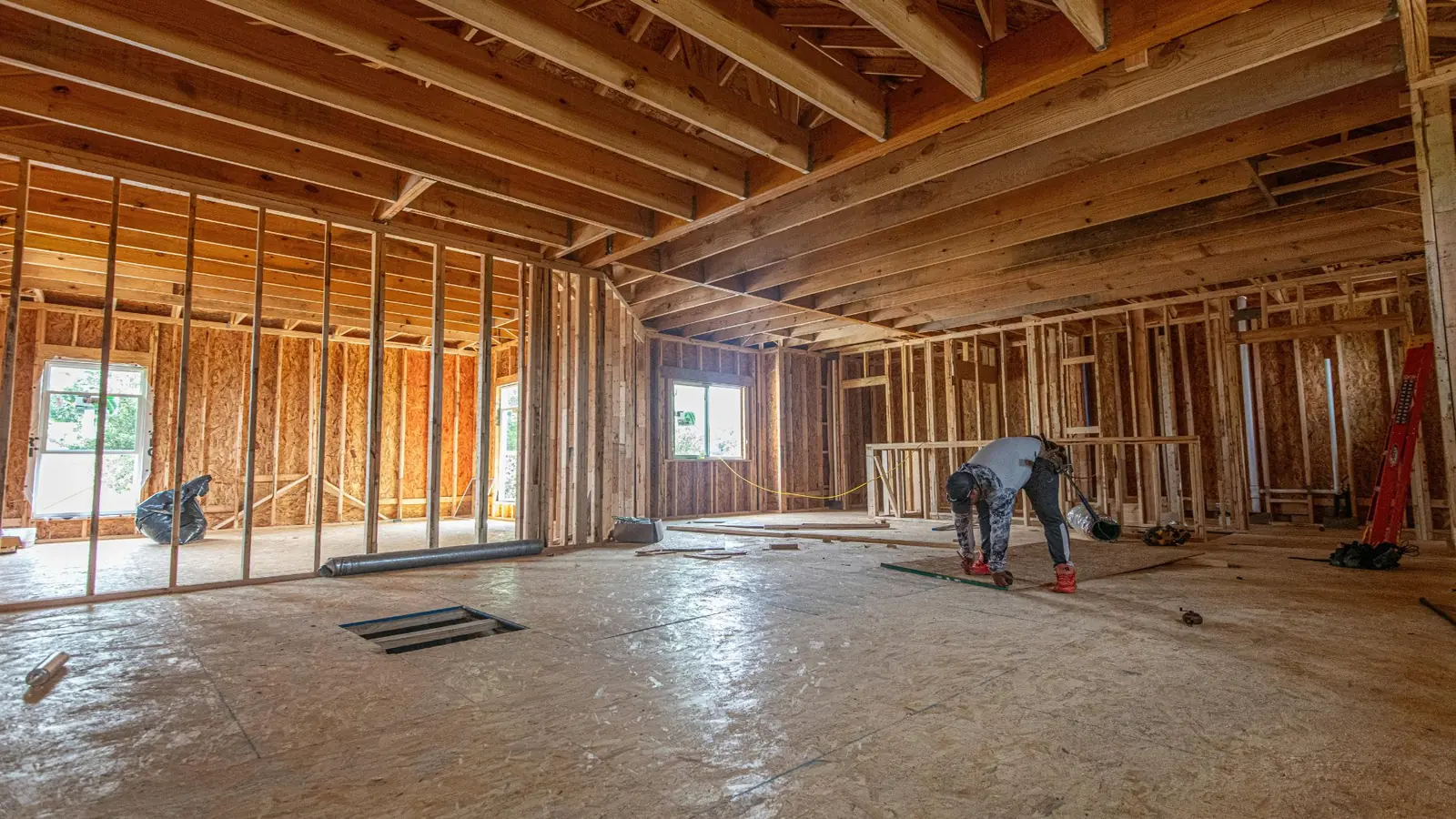
A home addition is a major undertaking. It requires careful planning, significant financial investment, and coordination with architects, contractors, and building departments. But when done right, a home addition transforms your living space and significantly improves your quality of life.
This complete guide walks you through every phase of a home addition project: defining your goals, choosing the right location, working with designers, navigating permitting, selecting a contractor, managing construction, and ensuring quality. Whether you're planning a kitchen expansion, a new bedroom, or a family room, these principles apply to every addition.
Phase 1: Define Your Vision and Budget
Before calling a contractor, get clear on what you actually need. Are you adding a bedroom? A bathroom? Kitchen space? A sunroom? Entertaining area? Office? Each has different requirements and costs. Write down your goals, how you'll use the new space, and who will use it.
Next, establish a realistic budget. Home additions in Albany range from $25,000 for a simple single-room addition to $200,000+ for complex multi-room additions or second stories. Be honest about what you can spend and build in a 10 to 15% contingency for unexpected costs.
Consider financing. Will you pay cash, take out a home equity line of credit (HELOC), or use a personal loan? Discuss financing options with Mastaba, we work with lenders and can facilitate financing for qualified homeowners.
Phase 2: Assess Your Site and Existing Home
A good contractor will visit your site and evaluate existing conditions before providing any estimate. They'll assess the foundation, existing structure, utilities, grade, drainage, lot lines, and setback requirements. They'll note the architectural style and materials of your existing home.
This assessment informs the feasibility and cost of your addition. For example, if you have poor lot drainage, the foundation work will be more complex and expensive. If you have an older plumbing or electrical system, extending utilities into the addition may require system upgrades. If your addition is on a sloped site, foundation and grading costs increase.
Mastaba has been assessing sites in the Capital Region for over 15 years. We understand the soil conditions, seasonal water issues, and building practices common to Albany neighborhoods. This expertise helps us design and cost additions accurately.
Phase 3: Work With a Designer or Architect
For simple additions, your contractor may provide design input based on experience. For complex additions, you should hire an architect or designer to create detailed plans that respect your home's style and optimize the addition's function.
A good design considers: architectural compatibility, proportion, materials, utility placement, natural light, connections to existing spaces, code compliance, and buildability. Design fees typically run 5 to 10% of the project cost, but the investment pays for itself in better outcomes and fewer problems during construction.
Don't rush the design phase. Take time to explore options, look at materials, consider different layouts, and refine your vision. Design decisions made now affect the project for decades.

Planning and design are critical to project success
Phase 4: Navigate Permits and Approvals
Once you have final designs, your contractor submits permit applications to the City of Albany (or your municipality). The application includes site plans, construction documents, electrical plans, and plumbing plans. The building department reviews for code compliance and zoning conformity.
Permitting typically takes 4 to 8 weeks. The building department may request revisions or additional information. Your contractor coordinates these submissions. Once the permit is approved, you receive a building permit and can begin construction (after paying permit fees).
Permitting is not optional. Unpermitted additions fail inspection, void insurance, and can complicate resale. Always work with a licensed contractor who handles permits professionally.
Start Your Addition Project With Mastaba
Mastaba has guided 200+ Albany homeowners through home additions. From initial concept through final inspection, we handle every phase. Call for a free consultation and site assessment.
Call (518) 308-6427 →Phase 5: Select the Right Contractor
Get multiple bids from licensed, insured contractors with proven experience in home additions. A good contractor will provide: detailed written estimate, references from recent projects, proof of licensing and insurance, clear timeline, and comprehensive contract.
Don't automatically choose the lowest bid. A contractor bidding significantly less may be cutting corners, underbidding to upsell later, or not fully understanding the project scope. Compare scope, timeline, warranty, and contractor experience. A mid-range bid from a reputable contractor is safer than rock-bottom pricing.
Mastaba is a fully licensed, insured general contractor with 15+ years of addition experience, 200+ completed projects, and 50+ five-star reviews. We provide transparent estimates with detailed pricing, manage all permits and inspections, and back our work with a 5-Year Workmanship Warranty.
Phase 6: Construction and Project Management
Construction begins with site preparation and foundation work. This includes excavation, grading, foundation footing and stem wall, and waterproofing. Foundation work is critical and must be done right, poor foundation work causes problems for decades.
Framing comes next: establishing the structural frame of the addition. The contractor erects the wood frame, installs roof structure, and creates the building envelope. Building department inspectors verify framing is code-compliant before closing walls.
Utilities (plumbing, electrical, HVAC) are roughed in next, followed by insulation. Once utilities are inspected and approved, drywall is hung and finished. Final phases include flooring, interior trim, painting, and fixture installation.
Throughout construction, expect your contractor to manage schedule, coordinate trades, maintain quality standards, and pass inspections. A good contractor communicates regularly with you about progress, any issues, and changes.
Phase 7: Final Inspections and Completion
Once construction is substantially complete, the building department performs a final inspection. They verify all systems (electrical, plumbing, HVAC) are installed per code and that the addition meets all permit conditions. If approved, you receive a Certificate of Occupancy, allowing you to legally use the space.
Before final payment, conduct a walk-through with the contractor to identify any punch-list items (minor issues needing correction). The contractor addresses these, then you issue final payment. The project is then complete and you can enjoy your new space.
Related Articles
Frequently Asked Questions
What is the first step in planning a home addition?
Start with a clear vision of what you want to add and why. Do you need an extra bedroom, bathroom, living space, or workspace? Understand your budget, timeline, and how the addition will function. Then hire a contractor or architect to assess your site and existing home.
How long does the home addition process take from start to finish?
Planning and design typically take 2 to 4 months. Permitting takes 4 to 8 weeks. Construction of a typical single-room addition takes 4 to 6 months from groundbreaking to completion. Multi-room additions or complex projects may take 6 to 12 months total. Mastaba provides a detailed timeline during your consultation.
What permits do I need for a home addition in Albany?
You'll need building permits that include site plan approval, structural engineering review, electrical review, and plumbing review. The permitting process includes foundation inspection, framing inspection, electrical inspection, plumbing inspection, and final approval. Mastaba manages all permits.
Can I live in my home while the addition is being built?
Yes. Most additions are built external to living spaces, so you can remain in your home. However, expect construction noise, dust, and occasional need for water or electrical access. Plan for traffic through your home if the addition is accessed from inside.
What happens if my addition requires structural work to the existing home?
If the addition connects to or affects the existing home's structure (like removing a wall or adding a second story), a structural engineer will design the work. This may include reinforcing the existing foundation or adding structural beams. These costs are included in the overall addition budget.
How do I ensure my addition is energy efficient?
Specify high-performance windows (U-factor 0.30 or lower), continuous insulation in walls and roofs, air sealing with spray foam, and proper ventilation. Design the addition to maximize passive solar gains in winter and minimize heat gain in summer. Mastaba builds additions to the highest energy efficiency standards.