
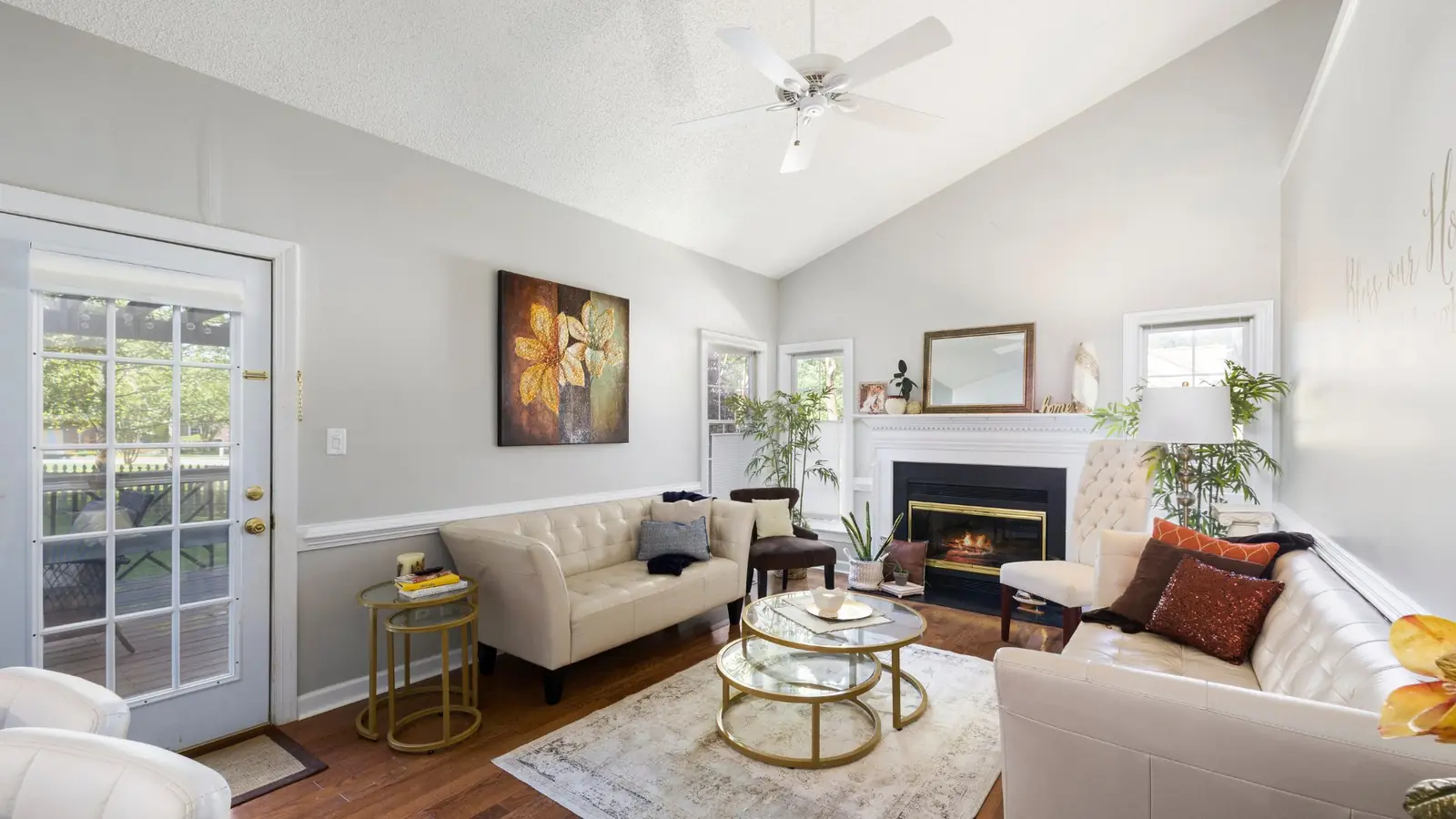
Your home feels cramped. The kids have nowhere to play. You need space to relax, entertain, and grow into your property rather than out of it. A family room addition solves this without the cost and disruption of buying a larger home. Adding a dedicated family room expands your living space, increases home value, and creates the room your family actually needs.
But where do you add it? What's the cost? How long does construction take? This guide covers everything from site selection and design to budgeting and timelines. By the end, you'll understand whether a family room addition makes sense for your home and property.
Where to Add a Family Room: Five Best Locations
1. Back of the House (Off Kitchen/Dining)
The most popular location. A family room addition extending from the back of your home connects naturally to the kitchen and dining area. Families can supervise children while cooking. This location maximizes southern and western light exposure in the Capital Region. Costs are typically lower because plumbing and HVAC extensions are minimal. Architecturally, it's often the easiest addition to integrate with existing roofline and siding.
2. Side of the House (Between Existing Walls)
If your property is deep but narrow, a side addition fits well. The addition is naturally enclosed on two sides (the existing walls), reducing exterior framing and finish costs. Side additions work best on homes with long side yards. The main challenge is accommodating driveway access and maintaining sightlines to the street.
3. Over a Basement or Crawl Space
If your home has a basement or crawl space extending under where you want to build, the cost drops significantly. The foundation partially exists. You avoid digging a new foundation, which saves $15,000 to $25,000. This is ideal for ranch homes or splits with basements underneath the rear yard.
4. Above an Existing Structure (Deck, Porch, Garage)
Your home may have a large covered porch, deck, or carport. Converting this to a family room saves on foundation work. The structure exists; you're enclosing and finishing it. This is fast and economical, often the cheapest addition option.
5. Front Addition (Less Common)
Front additions are less popular because they change the home's street face. However, if your lot is deep and the front yard is oversized, a front addition can work. It requires careful architectural integration to avoid looking awkward. Cost is typically higher because the front needs to match existing masonry, stone, or siding finishes exactly.
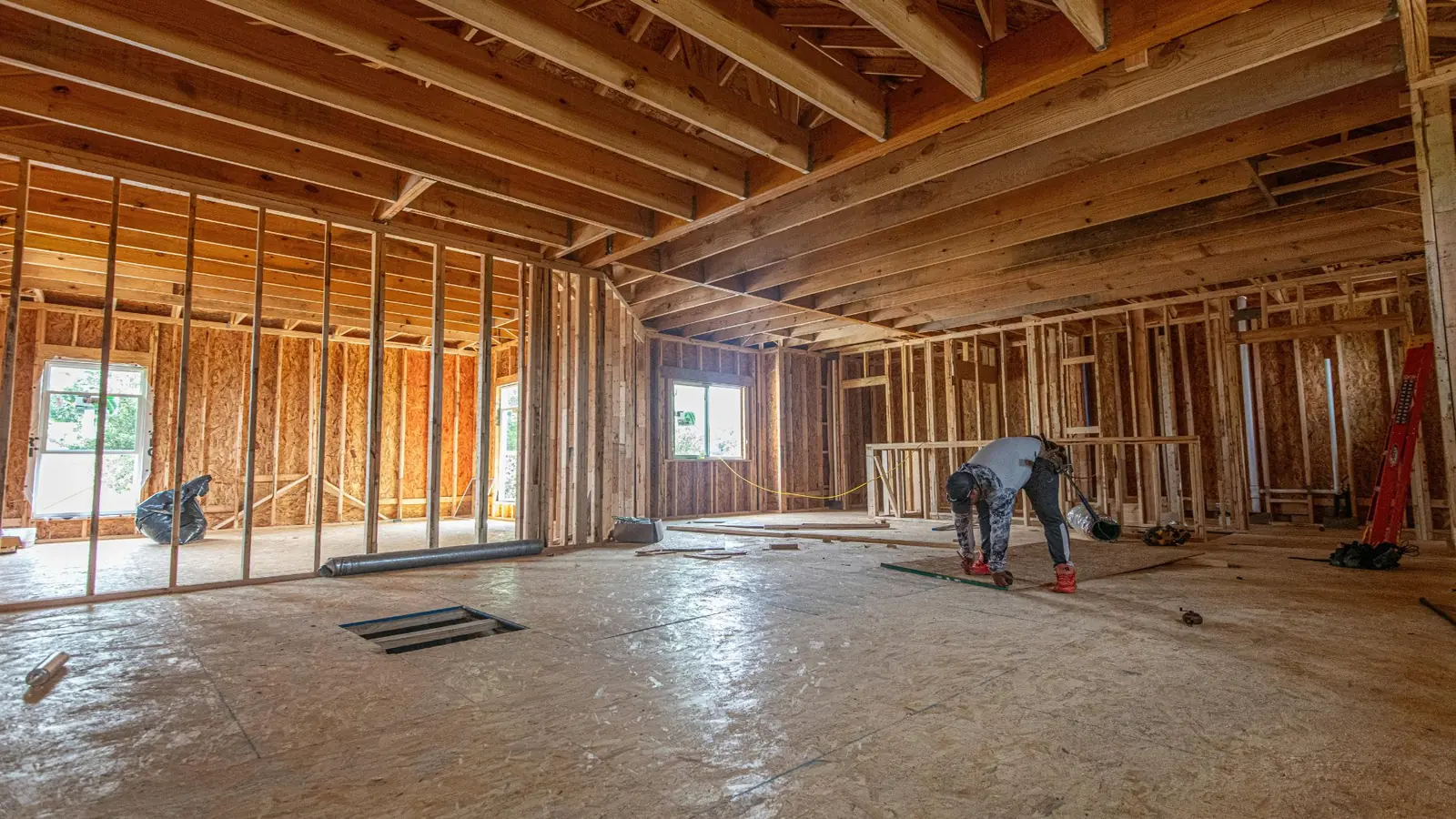
Structural framing during family room addition construction
Plan Your Family Room Addition
The right addition location depends on your property, existing home layout, and budget. Mastaba reviews your home and lot to recommend the best addition option, then designs and builds it with owner oversight.
Call (518) 308-6427 →Family Room Addition Costs by Size
300 Square Foot Family Room
Estimated cost: $24,000 to $60,000
- Foundation: $3,000 to $6,000
- Framing & roofing: $6,000 to $10,000
- Windows and exterior doors: $3,500 to $7,000
- Electrical & HVAC extension: $4,000 to $8,000
- Flooring, walls, finishes: $5,000 to $15,000
- Permits & contingency: $2,500 to $4,000
400 Square Foot Family Room
Estimated cost: $32,000 to $80,000 (most common size)
- Foundation: $4,000 to $8,000
- Framing & roofing: $8,000 to $13,000
- Windows and exterior doors: $4,500 to $9,000
- Electrical & HVAC extension: $5,000 to $10,000
- Flooring, walls, finishes: $7,000 to $25,000
- Permits & contingency: $3,500 to $5,000
500 Square Foot Family Room
Estimated cost: $40,000 to $100,000
- Foundation: $5,000 to $10,000
- Framing & roofing: $10,000 to $16,000
- Windows and exterior doors: $5,500 to $11,000
- Electrical & HVAC extension: $6,000 to $12,000
- Flooring, walls, finishes: $9,000 to $35,000
- Permits & contingency: $4,500 to $6,000
Design Considerations for Family Room Additions
Architectural Integration
The best additions don't look added. They look like they were always part of the home. Match the roofline pitch to the existing roof. Coordinate exterior siding, trim, and colors. If the home has brick, the addition should incorporate brick. Windows should match existing windows in style and size. A professional architect or designer ensures the addition enhances the home's curb appeal rather than diminishing it.
Natural Light and Views
A family room is mainly about light, views, and openness. Include large windows on at least two walls. Consider skylights if adding second-story mass above. Orient the room to capture south and west light during winter (energy efficient in the Capital Region). Avoid placing the addition on the north side where it's perpetually dark.
Connection to Existing Spaces
How does the family room connect to the rest of your home? Large sliding glass doors or pocket doors between the kitchen and family room create a seamless flow for entertaining. A partial wall or pass-through maintains separation while keeping the family room connected. The transition shouldn't feel abrupt.
Timeline: From Design to Move-In
Plan for 4 to 8 months total:
- Design & permits: 3 to 6 weeks
- Foundation & excavation: 2 to 3 weeks
- Framing: 3 to 4 weeks
- Roof & exterior: 3 to 4 weeks
- Rough-in systems: 2 to 3 weeks
- Finishes: 4 to 6 weeks
- Final inspection: 1 to 2 weeks
Related Articles
Frequently Asked Questions
How much does a family room addition cost?
A family room addition costs $80 to $200 per square foot depending on finishes and location. A 400 sq ft family room ranges from $32,000 to $80,000. This includes foundation, framing, electrical, plumbing, HVAC, roofing, windows, and interior finishes.
How long does a family room addition take to build?
A family room addition typically takes 4 to 8 months from permit approval to completion. Foundation and framing take 6 to 8 weeks. Rough-in systems take 3 to 4 weeks. Finishes take another 4 to 6 weeks.
Do I need permits for a family room addition?
Yes. A family room addition requires building permits, foundation approval, electrical permits, plumbing permits, and HVAC permits. Permits typically cost 1 to 2% of the project cost and are essential for code compliance and resale value.
What makes a good family room addition design?
A good family room addition connects to the home architecturally, matches existing roofline and siding, includes adequate windows for natural light, and flows from the existing living spaces. Consider views, sun exposure, and traffic patterns. The addition should feel like part of the home, not an afterthought.
Can a family room addition increase home value?
Yes. A well-designed family room addition can add $15,000 to $40,000 to your home's value, often exceeding the cost of the addition itself. ROI depends on the addition's quality, design cohesion, and local market demand for additional living space.
What should I include in a family room addition?
A family room should include comfortable seating areas, good lighting (both natural and artificial), climate control via HVAC, electrical outlets, possibly a fireplace, large windows, and a connection to outdoor space. Built-in shelving, a media wall, or a wet bar can enhance functionality and appeal.