
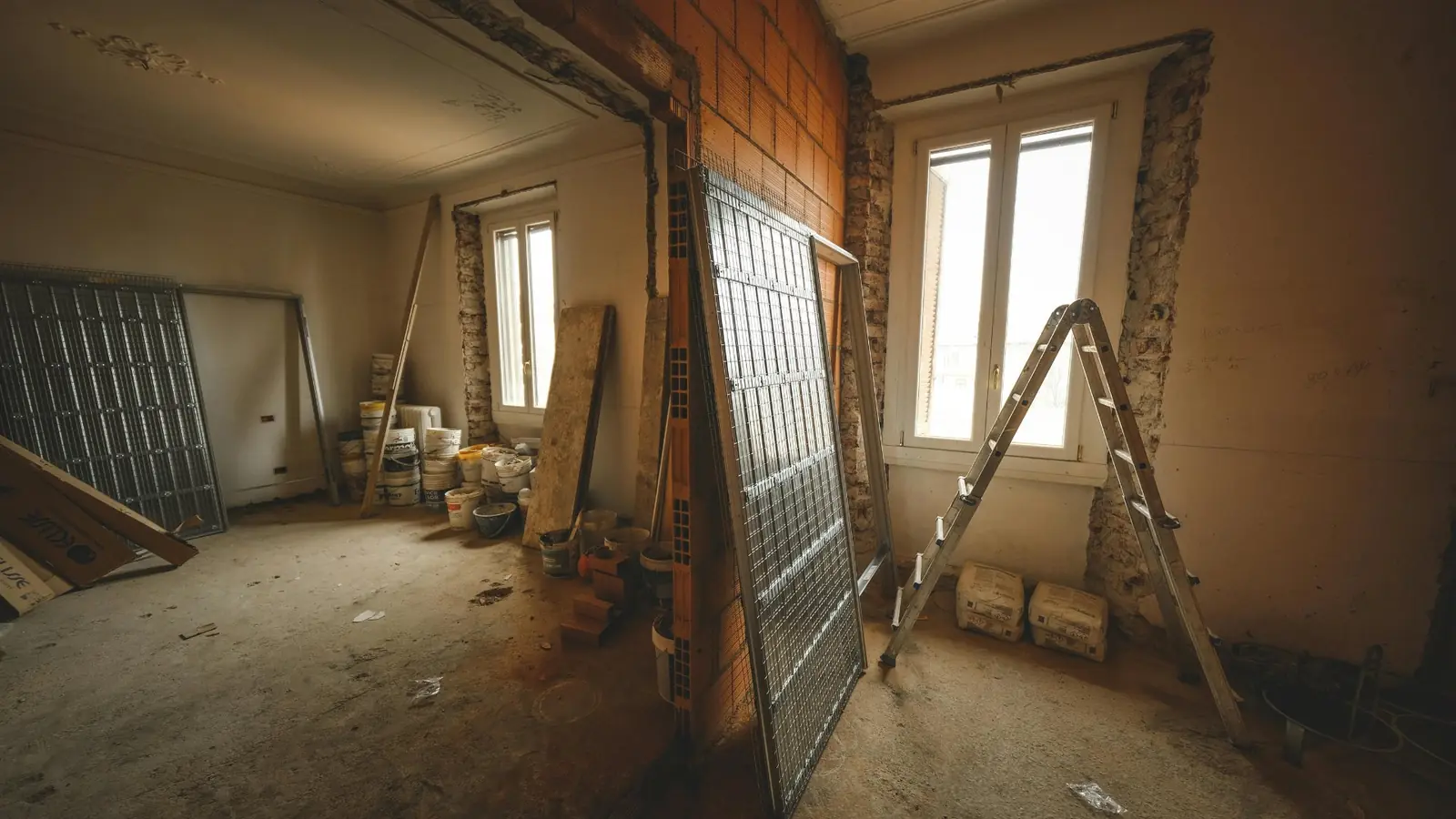
Planning a whole house remodel is overwhelming. The scope is enormous, decisions are complex, timelines stretch months, and budgets are substantial. Yet with proper planning and expert guidance, a whole house remodel transforms your space and maximizes your investment. Success comes from understanding the process, setting clear expectations, and partnering with experienced contractors who manage complexity on your behalf.
This step-by-step guide walks you through planning a whole house remodel, from initial vision through final completion. We'll cover the planning process, construction sequence, timeline expectations, and how to work with contractors to achieve your dream home.
The 7 Phases of Planning a Whole House Remodel
Phase 1: Vision and Goal Setting
Define what you want. Are you creating a forever home or preparing for resale? What style appeals to you? Which rooms are priorities? What's your timeline? Write down your goals, gather inspiration images, and discuss priorities with household members.
Phase 2: Budget Development
Establish realistic budget based on home size, scope, and quality level you desire. Research costs in your market. Include contingency (10 to 15% of total budget) for unforeseen issues. Be honest about what you can afford.
Phase 3: Contractor Selection
Interview multiple contractors. Request references, verify licenses and insurance, review past projects. Choose contractors with whole house remodeling experience who understand your vision and can work within your budget.
Phase 4: Detailed Planning and Design
Work with contractor and designer to plan layouts, select materials, choose colors and finishes, and establish timelines. Detailed planning prevents costly changes during construction. Get everything in writing.
Phase 5: Permitting and Preparation
Contractor obtains all necessary permits. You prepare home for construction: arrange temporary housing if needed, protect belongings, establish communication protocols, and prepare for disruption.
Phase 6: Construction
Contractor executes work in proper sequence. Regular communication and site visits keep project on track. Address issues promptly. Maintain detailed records of changes and decisions.
Phase 7: Completion and Finalization
Final inspections ensure quality. Walk-through identifies any punch-list items. Contractor addresses deficiencies. You receive warranties and documentation. Celebrate your new home!
Proper Construction Sequence
A logical construction sequence prevents rework and delays:
- Structural work: Foundation repairs, framing, roof decking
- Roofing: Install new roof to weatherproof structure
- Rough-in systems: Electrical, plumbing, HVAC before walls
- Insulation and drywall: Prepare walls for finishes
- Windows and doors: Install after framing, before interior finishes
- Bathroom and kitchen rough-in: Plumbing and electrical completed
- Flooring prep: Subflooring and underlayment
- Paint: Prime and paint all walls before trim
- Cabinetry and fixtures: Install built-ins and major components
- Flooring installation: Once all work above floor is complete
- Final trim and details: Baseboards, door frames, hardware
- Final fixtures and finishes: Light fixtures, plumbing fixtures, appliances
- Landscaping and exterior finishes: Complete outdoor work

Planning and review during whole house remodeling
Start Your Whole House Remodel
Mastaba specializes in whole house remodeling. From initial planning through completion, we guide you through every step with expertise and transparency.
Call (518) 308-6427 →Timeline Expectations
Whole house remodel timelines vary based on home size and scope:
- Small home (1,000 to 1,500 sq ft): 4 to 6 months
- Mid-size home (1,500 to 2,500 sq ft): 6 to 10 months
- Large home (2,500 to 3,500 sq ft): 10 to 14 months
- Very large or complex homes: 14+ months
Managing Disruption
Dust and Noise
Construction creates significant dust and noise. Protective barriers limit spread. Plan for temporary relocation if living in-home.
Utility Disruptions
Water, electricity, or gas may be interrupted during system work. Schedule disruptions with contractor to minimize impact.
Access and Parking
Construction vehicles and equipment need parking and access. Coordinate with contractor and neighbors to minimize inconvenience.
What Mastaba Whole House Projects Include
Every whole house remodel includes:
- Comprehensive planning, detailed scope and timeline development
- Design consultation, personalized vision for your home
- Permit handling, all necessary applications and inspections
- Project management, owner oversight of all phases
- In-house trade teams, experienced craftspeople for all specialties
- Quality materials, durable products specified for longevity
- Communication, regular updates and transparent decision-making
- 5-Year Workmanship Warranty, comprehensive protection
- Fully Insured, general liability and workers' compensation
Related Articles
Frequently Asked Questions
Where should I start with a whole house remodel?
Start with planning and goal-setting. Define what you want, establish your budget, create a timeline, and hire an experienced contractor. A comprehensive plan prevents costly mistakes and scope creep.
What is the proper order for whole house renovation?
1) Structural and foundation work, 2) Systems (electrical, plumbing, HVAC), 3) Wall and floor preparation, 4) Bathroom and kitchen work, 5) Flooring, 6) Paint and trim, 7) Final finishes and landscaping.
How do I prepare for a whole house remodel?
Secure permits, arrange temporary housing if needed, prepare for dust and disruption, protect belongings, establish communication with your contractor, and plan for utility disruptions. Preparation minimizes stress.
Can I stay in my home during a major remodel?
It's challenging. Kitchen and bathroom work makes daily life difficult. Most homeowners relocate during major renovations, renting apartments or staying with family for the duration.
What permits do I need for a whole house remodel?
Most whole house remodels require building permits, electrical permits, plumbing permits, and possibly HVAC permits. Your contractor handles permit applications and ensures code compliance.
How do I avoid scope creep in a whole house remodel?
Establish a detailed scope of work upfront, get all changes in writing, maintain a contingency budget (10 to 15%), and limit design decisions during construction. Clear communication prevents surprises.