Albany's neighborhoods are dotted with magnificent Victorian homes, brownstones, mansions, and rowhouses with soaring ceilings, ornate trim, hardwood floors, and distinctive architectural character. These homes, built 120 to 150 years ago, are treasured by their owners for their beauty and craftsmanship.
But Victorian homes also present unique renovation challenges. Original but outdated plumbing and electrical systems need replacing. Kitchens and bathrooms were not designed for modern living. Foundations settle. Heating systems are inefficient. Lead paint and asbestos require professional remediation. Balancing preservation of the home's character with modernization requires careful planning and expertise.
This guide covers everything you need to know about renovating a Victorian home in Albany: unique challenges, preservation strategies, realistic costs, and how to work with a contractor who understands the special requirements of historic homes.
Understanding Victorian Homes
Victorian homes were built during the Victorian era (1837 to 1901), with Victorian Revival homes constructed through the 1930s. These homes are characterized by:
- 10 to 12 foot ceilings with decorative crown molding and plaster details
- Original hardwood floors (often beautiful heart pine or oak)
- Ornate woodwork, wainscoting, and built-in bookcases
- Large windows with original wood frames and glass panes
- Fireplaces with decorative mantels and working flues
- Solid brick or stone construction (typically 2 to 3 stories)
- Distinctive architectural details (gables, dormers, turrets, wraparound porches)
Common Challenges in Victorian Home Renovation
Outdated Systems
Original plumbing in Victorian homes is likely galvanized steel (prone to corrosion) or cast iron (prone to deterioration). Original electrical is often 60-amp panels with limited circuits. Modern life demands updated plumbing (copper or PEX), expanded electrical (200-amp panels, dedicated circuits for modern appliances), and modern HVAC (not baseboard or radiator heat). Updating systems in a Victorian home requires careful routing to preserve architectural details.
Lead Paint and Asbestos
Any Victorian home built before 1978 contains lead paint. Any renovation involving paint disturbance (door and window removal, wall work) requires EPA-certified lead abatement. Asbestos may be present in insulation, floor tiles, pipe wrap, and roofing materials. Professional testing identifies asbestos, and certified removal is required. These hazmat issues add cost and complexity but are essential for safety.
Small Kitchens and Bathrooms
Victorian homes have small kitchens (servants' quarters were separate, not integrated) and minimal bathrooms. Modern families expect larger, more functional spaces. Expanding a Victorian kitchen may require removing a wall or reconfiguring spaces. Bathrooms need complete updates. These renovations must balance modern function with preservation of original details.
Structural and Foundation Issues
Victorian homes are 120 to 150 years old. Foundations settle and crack. Brick deteriorates. Joists weaken. Floor slopes. These structural issues must be evaluated and addressed before interior renovation begins.
Inefficient Heating and Moisture Issues
Original heating (baseboard, radiators, furnaces) is often inefficient. Insulation is minimal. Moisture and mold are common in basements and bathrooms. Modern HVAC and dehumidification improve comfort and protect the home.
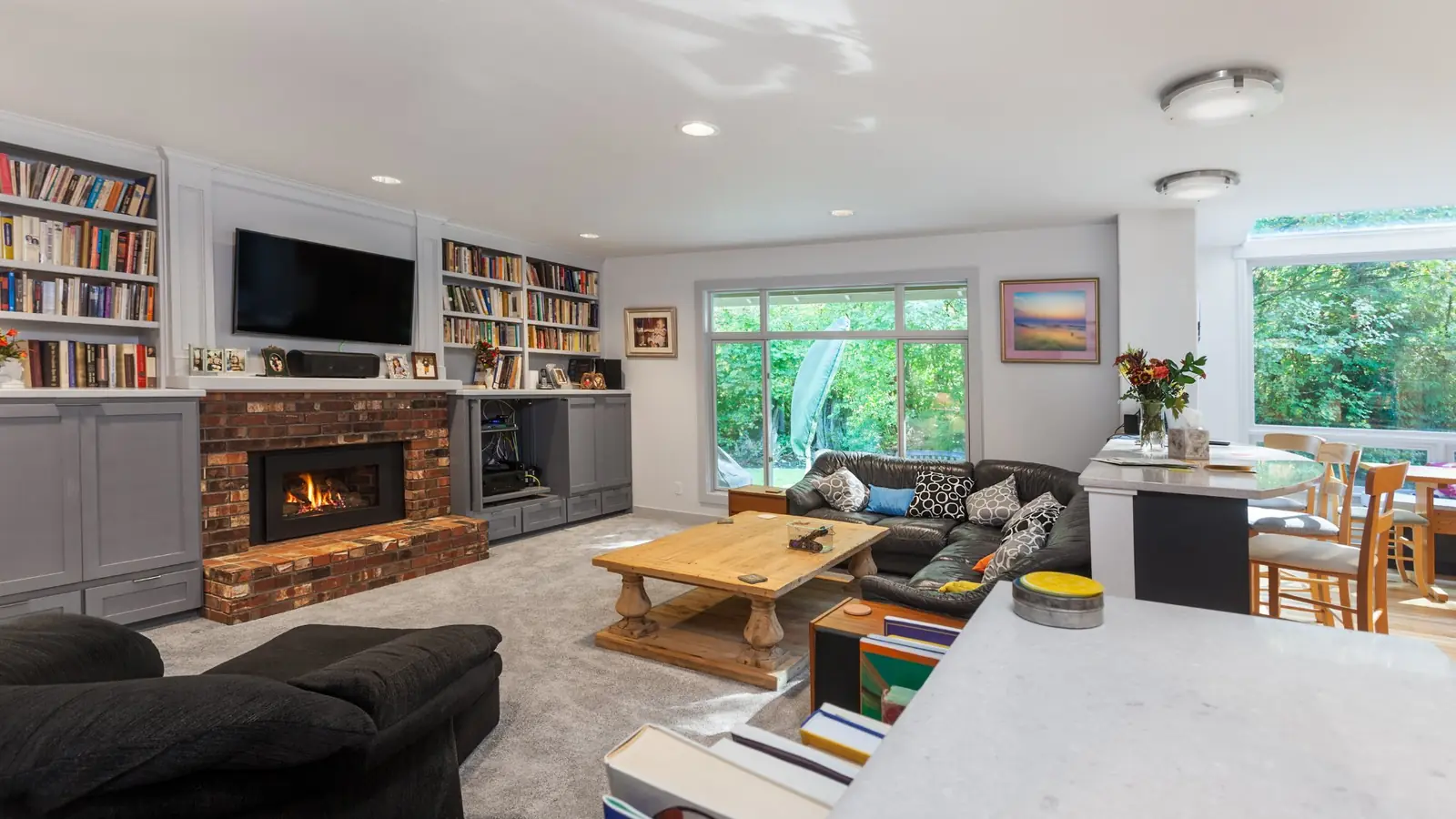
Careful renovation preserves Victorian character while adding modern function
Expert Victorian Home Renovation
Mastaba Renovations has completed kitchen and bathroom renovations in dozens of Albany Victorian homes. We understand how to modernize while preserving the character that makes these homes special. Call for a free consultation and assessment.
Call (518) 308-6427 →Renovation Strategies for Victorian Homes
The key to a successful Victorian renovation is balancing preservation with modernization. Here are strategies that work:
Preserve Original Character
Save and restore original hardwood floors. Preserve crown molding, wainscoting, and built-in details. Keep original fireplaces functional (even if not your primary heat source). Restore original windows if possible, or use period-appropriate replacements. Maintain the exterior facade and architectural details.
Conceal Modern Systems
Route electrical and plumbing within walls rather than surface-mounted. Install modern systems (HVAC, water heater, electrical panel) in utility closets or basements rather than visible locations. Ensure new systems don't compromise original trim or details.
Period-Appropriate Finishes and Details
In kitchens and bathrooms, choose finishes and hardware that complement Victorian character. Subway tile in a bathroom echoes Victorian spa aesthetics. Open shelving in a kitchen can echo period styling. Hardware, lighting, and paint colors can all be chosen to respect the home's era.
Victorian Home Renovation Costs
Kitchen Renovation: $40,000 to $100,000
Victorian kitchens typically require more extensive work due to tight spaces, small windows, and existing systems. A thoughtful renovation that adds modern function while preserving character costs more than a standard kitchen remodel. Budget for lead paint abatement, careful electrical/plumbing routing, and period-appropriate finishes.
Bathroom Renovation: $20,000 to $50,000 per bathroom
Victorian bathrooms are often small with original fixtures in need of replacement. Modern bathrooms with contemporary function but period-appropriate styling run $20,000 to $50,000 depending on size and finishes.
Full Home Renovation: $150,000 to $350,000+
A comprehensive Victorian renovation (kitchen, bathrooms, HVAC, electrical/plumbing updates, masonry repair, roof replacement, windows) is a significant investment but preserves and enhances a treasured home.
Historic Preservation Tax Credits
Some Victorian homes qualify for state and federal historic preservation tax credits. If your home is listed on the National Register of Historic Places or is in a historic district, you may qualify for credits covering 10 to 20% of qualified renovation costs. Contact your local historical society or preservation office to explore eligibility.
Related Articles
Frequently Asked Questions
What is a Victorian home?
Victorian homes were built during the Victorian era (1837 to 1901), though Victorian Revival homes were constructed through the 1930s. Characterized by ornate details, high ceilings, original woodwork, decorative moldings, and distinctive architectural features, Victorian homes are prized for their character and craftsmanship.
What are the challenges of renovating a Victorian home?
Challenges include: original but outdated plumbing and electrical systems, asbestos or lead paint (requiring professional abatement), settling foundations, outdated heating systems, small kitchens and bathrooms not suited to modern living, and structural issues common in 120+ year old homes.
How can I modernize a Victorian home while preserving character?
Preserve original moldings, hardwood floors, fireplaces, and decorative details. Conceal modern systems (electrical, plumbing) within walls when possible. Choose period-appropriate finishes and hardware. In kitchens and bathrooms, create modern function while respecting the home's character through design choices.
How much does a Victorian home renovation cost?
Costs vary widely based on extent of work. Kitchen remodels: $30,000 to $80,000 (often more expensive due to careful restoration). Bathroom remodels: $15,000 to $40,000. Full home renovation: $100,000 to $300,000+ depending on size and scope.
Do Victorian homes have historic preservation tax credits?
Some Victorian homes qualify for state and federal historic preservation tax credits if listed on the National Register of Historic Places. Credits can cover 10 to 20% of qualified renovation costs. Check with your local historical society or preservation office for eligibility.
What should I know about lead paint and asbestos in Victorian homes?
Victorian homes built before 1978 often contain lead paint. Any renovation involving paint disturbance requires EPA-certified lead abatement. Asbestos may be present in insulation, floor tiles, pipe wrap, and roofing. Professional testing and certified removal are required for safe renovation.