
Split level homes are architectural puzzles. Multiple levels, staggered rooflines, and step transitions through the home create unique character but also unique challenges. Adding onto a split level isn't as straightforward as adding to a simple ranch or two-story. Your addition must navigate multiple foundation levels, coordinate varied roof heights, and connect naturally to existing transitions.
This guide walks through split level addition strategies, design considerations, and cost factors specific to this home type. You'll understand the unique complexity, learn where additions work best on split levels, and discover how professional design prevents architectural missteps. By the end, you'll know if adding onto your split level makes sense and how to approach it strategically.
Understanding Split Level Architecture
Split level homes typically have four distinct levels: upper deck (bedrooms), main floor (kitchen/dining), lower main (family room), and sometimes a lower level or basement. Stairs connect each level. The home's footprint is compact; vertical space compensates. This design was popular in the 1970s and 1980s throughout the Capital Region.
The challenge: adding space. You can't simply extend the main floor without considering how multiple levels complicate the extension. Rooflines meet at different heights. Utilities (plumbing, electrical, HVAC) branch at multiple elevations. Foundations sit at different levels. A careless addition will look like an afterthought rather than part of the original design.
The Five Best Locations for Split Level Additions
1. Extending the Lower Main Level (Most Common)
The family room level is the ideal location for an addition. The roof over this level is the lowest, making an extension logical. The family room naturally connects to a new family room or bonus room addition. Foundation and utility extensions are straightforward. This addition looks intentional and improves the home's character. Cost is typically $75 to $150 per square foot.
2. Extending the Main Floor (Kitchen/Dining Area)
The kitchen or dining area can be extended outward. This works best if the extension is modest (300 sq ft or less). Larger extensions create awkward roofline transitions. The added space becomes a breakfast nook, dining room expansion, or kitchen extension. Utility extensions (plumbing for potential kitchen sink, electrical) are moderate. Cost is $90 to $170 per square foot.
3. Side Addition (Modest, Garage-Adjacent)
A modest side addition works if your split level has garage space. Extending the garage area or adding adjacent storage/utility space can succeed. Avoid large side additions that disrupt the split level's visual rhythm. Small side additions (200 sq ft or less) integrate better. Cost is $80 to $150 per square foot.
4. Covering and Extending Deck/Patio (Complex but Effective)
Many split levels have large decks. If the deck structure is sound, covering it and extending inward creates new space at the lower main level. This conversion is moderately expensive ($100 to $180 per sq ft) but works architecturally because the original deck location is already visually integrated into the home. This option is fastest because foundation work is minimized.
5. Second Story Addition (Expensive and Complex)
Adding a second story above the lower or middle level is possible but complex. You're stacking mass on existing structures, requiring comprehensive structural engineering. The added story must coordinate with existing rooflines without creating visual chaos. Cost is $150 to $250 per square foot. This is among the most expensive addition options and should only be considered if the split level's foundation and structure support it.
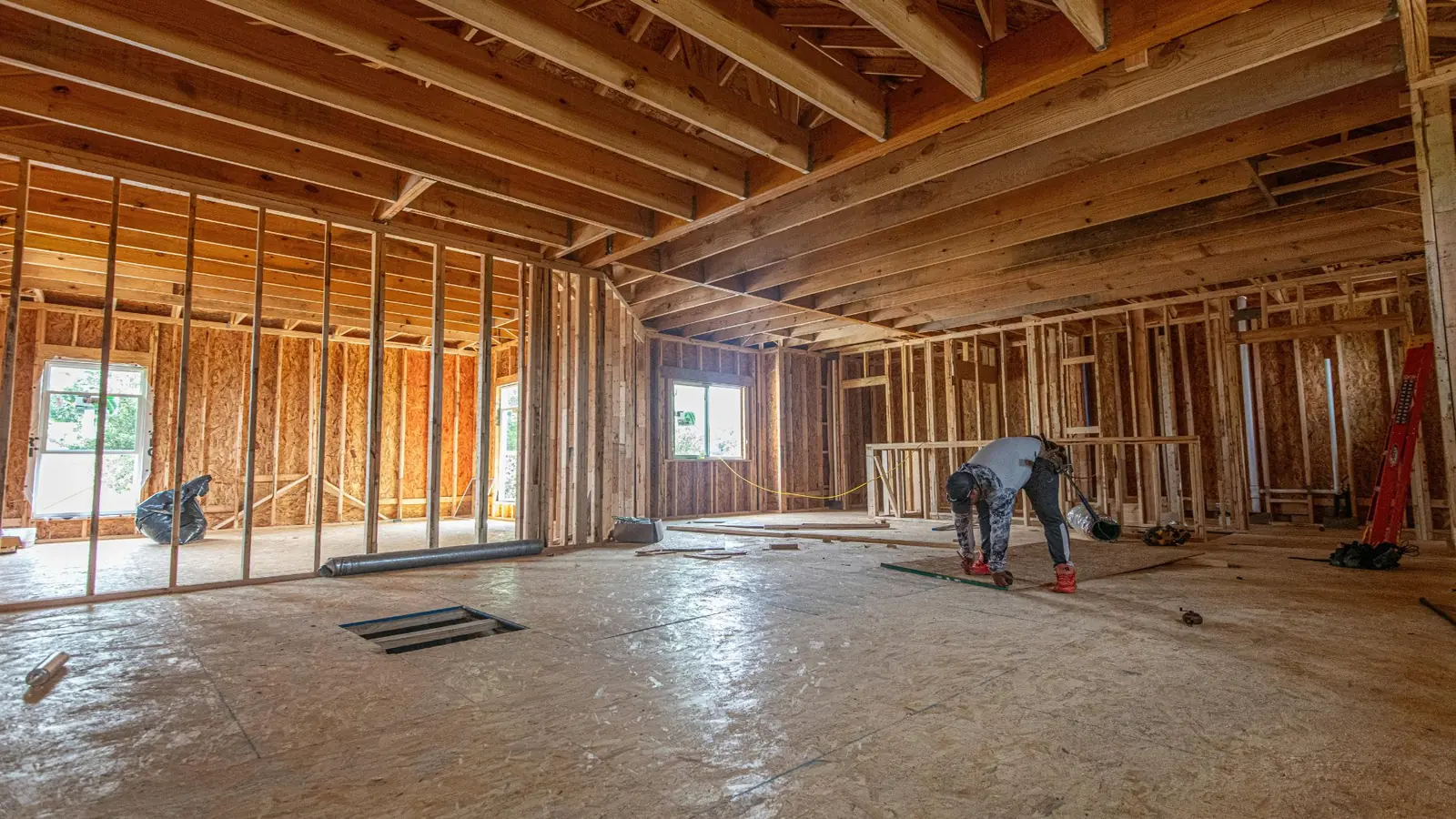
Careful framing coordination required for split level additions
Plan Your Split Level Addition
Split level additions require expertise. Mastaba has experience adding onto dozens of Capital Region split level homes. We understand the unique architectural challenges and design the best solution for your home.
Call (518) 308-6427 →Split Level Addition Costs
Lower Main Level Extension (400 sq ft)
Estimated cost: $36,000 to $72,000
- Foundation: $4,000 to $7,000 (elevated, connected to existing)
- Framing & roofline coordination: $10,000 to $15,000
- Exterior: $5,000 to $10,000
- Systems: $4,000 to $8,000
- Finishes: $8,000 to $20,000
- Contingency: $5,000 to $12,000
Deck Conversion and Extension (300 sq ft)
Estimated cost: $30,000 to $54,000 (faster, less foundation work)
- Structural upgrades to existing deck: $5,000 to $10,000
- Roof addition: $6,000 to $10,000
- Walls & windows: $6,000 to $10,000
- Systems: $3,000 to $6,000
- Finishes: $6,000 to $12,000
- Contingency: $4,000 to $6,000
Why Professional Design is Critical for Split Level Additions
Split level additions are architectural challenges. A poorly designed addition will look bolted onto the home. A well-designed addition looks like it was always intended. The difference is professional design from an architect who understands split level character.
Key design considerations: roofline coordination (the addition's roof must connect logically to existing roofs), level transitions (how stairs or step-ups connect existing and new levels), window rhythm (the addition's windows should align with existing window patterns), and material matching (siding, trim, roofing must coordinate perfectly).
Budget $4,000 to $8,000 for architectural design. This is 10 to 15% of a $40,000 to $60,000 addition but prevents design disasters that would cost far more to correct.
Related Articles
Frequently Asked Questions
What is the best way to add onto a split level home?
The best approach depends on your split level's design. Back additions (extending lower or middle levels) and side additions work best. Avoid adding to the upper deck level without careful structural planning. The addition should coordinate with the existing split level's multiple height changes.
How much does a split level addition cost?
A split level addition costs $80 to $200 per square foot, similar to other additions but with higher design complexity. Multiple foundation heights and roof elevations increase structural engineering costs. Budget 15 to 20% more than a comparable addition to a single-story home.
Can I add a second story to a split level?
Yes, but only on certain levels. Adding a story above the lower or middle level is structurally feasible if the foundation supports it. Adding above the upper deck level creates awkward height changes. This requires comprehensive structural engineering and is among the most expensive additions.
Do split level additions increase home value?
Yes, if the addition is well-designed and integrates with the home's character. A poorly integrated addition (one that doesn't respect the split level's form) can hurt value. A quality addition that addresses the split level's functional challenges (flow, livability) adds significant value.
What are the challenges of adding onto a split level?
Split level homes have multiple roof heights, foundation levels, and step transitions. An addition must coordinate all these elevations without looking awkward. Utilities (plumbing, electrical, HVAC) branch at different levels, complicating extensions. Professional design is critical.
Should I hire an architect for a split level addition?
Yes. Split level additions are architecturally complex. An architect ensures the addition coordinates with multiple heights, flows naturally from existing spaces, and respects the home's character. Architect fees (5 to 10% of project cost) are well-spent to avoid design failures.