
Choosing the right renovation contractor is one of the most important decisions you'll make. Your contractor will transform your home, handle your budget, manage your timeline, and ultimately determine whether your renovation is a success or a source of stress.
Yet many Albany homeowners hire contractors based on a single phone call, the lowest bid, or a neighbor's recommendation without thoroughly vetting the company. This guide covers everything you need to know to find a trustworthy, skilled, fully insured contractor, and avoid the costly mistakes that come from hiring the wrong one.
Why Contractor Selection Matters
A kitchen or bathroom remodel is a significant investment, typically $20,000 to $75,000+. You're inviting a contractor into your home for weeks or months. You're trusting them with the integrity of your home's structure, plumbing, electrical systems, and finishes. If something goes wrong during the project, structural damage, code violations, incomplete work, poor quality, you're the one who suffers both financially and emotionally.
A good contractor is transparent, communicative, fully insured, licensed, punctual, and stands behind their work with a written warranty. A bad contractor cuts corners, disappears when problems arise, lacks proper licensing and insurance, and leaves you with liability and risk. The difference is worth investigating.
The Contractor Selection Process: Step by Step
Step 1: Get Referrals and Do Your Research
Start by asking friends, family, and neighbors for contractor recommendations. When someone recommends a contractor, ask: What project did they do? Were they on time? Was the work quality good? Did they communicate well? Would you hire them again? A genuine referral from someone you trust is valuable.
Research contractors online. Read reviews on Google, Better Business Bureau, Yelp, and Angie's List (now Angi). Look for patterns in reviews, occasional complaints are normal, but multiple complaints about the same issue (communication, quality, timely completion) are red flags. Visit the contractor's website and social media to understand their portfolio and values.
Step 2: Verify Licensing and Insurance
Never hire a contractor without verifying they're licensed and insured. In New York, contractors who work on projects over $1,000 must be licensed. Request the contractor's license number and verify it on the New York Department of State website (dos.ny.gov).
Ask for proof of active general liability insurance (minimum $1,000,000 coverage) and workers' compensation insurance. Don't just look at their certificate, call their insurance broker directly to verify coverage is active and adequate. If a contractor gets injured or damages your home, their insurance protects you from liability. Without it, you could be liable for injuries or damages.
Step 3: Ask for References and Review Their Portfolio
Ask the contractor for at least three recent references from similar projects. Call those references and ask specific questions: Was the work completed on time? Did the contractor communicate well? Was the work quality excellent? Would you hire them again? Ask if you can visit the completed project to see the work quality firsthand.
A contractor with a strong reputation will have references readily available and will encourage you to see their past work. If they're reluctant to provide references or if references are hard to reach, that's a red flag.
Step 4: Get Multiple Detailed Bids
Get bids from at least three contractors. All three should be given the same scope of work (detailed plans, material specifications, finishes, etc.) so you're comparing apples to apples. Bids that don't include a detailed scope should be disregarded because you don't know what you're actually getting.
Compare the bids. If all three are similar in price ($30,000 to $35,000), that's a good sign, the market has established a fair price. If one bid is significantly lower ($20,000), investigate why. Are materials cheaper? Are they cutting corners? Are there missing line items? If one bid is much higher, ask what additional value or quality they're providing.
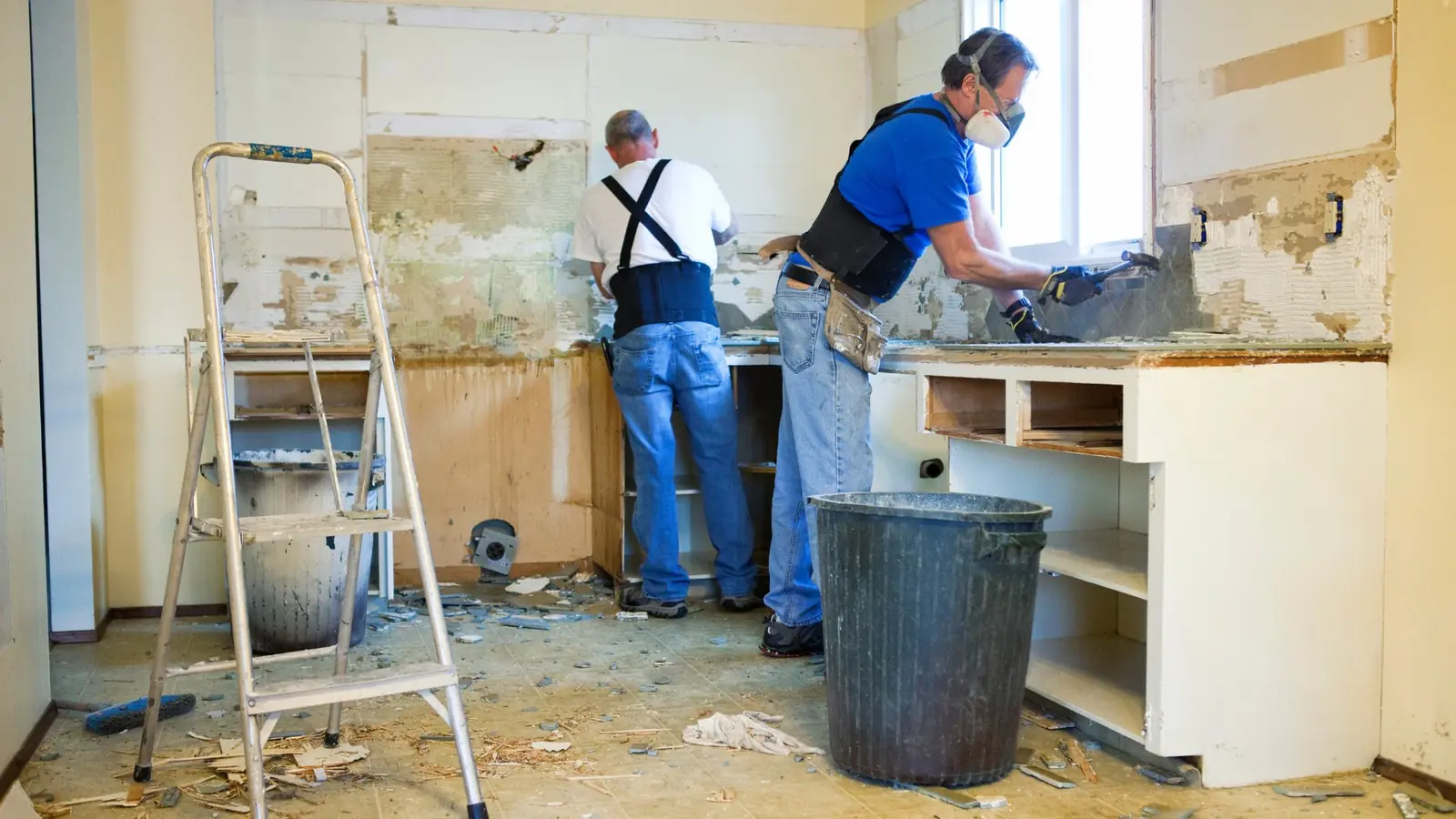
Professional installation ensures lasting quality
Get a Free Consultation with Mastaba
Mastaba Renovations specializes in kitchen and bathroom remodeling for Albany-area homeowners. With 15+ years of experience, 200+ completed projects, and 50+ five-star reviews, we're ready to transform your home. Call for a free estimate and consultation.
Call (518) 308-6427 →Critical Questions to Ask Before Hiring
Before making a decision, ask these essential questions:
Experience and Team
- How long have you been in the renovation business?
- How many kitchen/bathroom remodels have you completed?
- Will you manage my project personally, or is it delegated to a project manager?
- Do you use your own employees or subcontractors? If subcontractors, can I meet them and verify their credentials?
Timeline and Process
- What is the estimated timeline for my project?
- How do you handle scope changes or unexpected issues discovered during the work?
- Will you provide a detailed daily/weekly schedule before work begins?
- How will you protect my home and existing spaces during construction?
Permits and Code Compliance
- Will you obtain all required permits?
- How do you ensure the work meets current building code?
- Who schedules inspections and responds to inspection concerns?
Payment and Warranty
- What is your payment schedule? (Red flag: Large upfront payment or cash-only)
- What warranty do you provide on workmanship? For how long?
- What is your process if there are quality issues after completion?
- Will you provide a written contract with all terms in writing?
Red Flags to Avoid
Do not hire a contractor if they exhibit any of these red flags:
- Demands large upfront payment, Normal deposit is 10 to 20%. Large upfront payments are risky.
- Cash-only payment, Legitimate contractors accept checks or bank transfers. Cash-only suggests they're avoiding documentation.
- Reluctant to provide references, A good contractor is proud of their work and happy to share references.
- No written contract, Never start work without a detailed, signed contract.
- Significantly underpriced bids, If one bid is 30% lower than others, ask why. It often means corners are being cut.
- Unclear about licensing/insurance, If they're vague or hesitant, walk away.
- Poor communication, If they don't return calls promptly or are evasive about details, that's how they'll communicate during your project.
- Pressure to decide quickly, "This price is only good today" is a common pressure tactic. A legitimate contractor will give you time to decide.
- No written warranty, All legitimate contractors offer written warranty coverage.
What to Include in Your Renovation Contract
Before signing any contract, ensure it includes:
- Detailed scope of work (what's included, what's not)
- Specific materials, brands, and finish selections
- Total project cost and payment schedule
- Start and estimated completion dates
- Change order procedure and how scope changes will be priced
- Warranty terms (minimum 1 year on workmanship is standard)
- Insurance and licensing information
- Permit responsibilities and cost allocation
- How daily/weekly communication will happen
- How disputes will be resolved
Why Mastaba Stands Out
Mastaba Renovations has completed 200+ kitchen and bathroom projects across the Capital Region. We're fully insured, licensed, and have completed projects in Albany, Troy, Clifton Park, Saratoga Springs, Schenectady, and surrounding towns. Here's what our clients value:
- Owner-led projects, Jeffrey Mason personally oversees every project, not a delegated project manager.
- In-house trade team, We employ our own carpenters, plumbers, and electricians, not unreliable subcontractors.
- Detailed estimates, No surprises. Every line item is detailed and explained.
- Transparent communication, Weekly updates, prompt responses, and respect for your schedule.
- 5-Year Workmanship Warranty, We stand behind every project in writing.
- 50+ five-star reviews, Our track record speaks for itself.
Related Articles
Frequently Asked Questions
What questions should I ask a renovation contractor?
Ask about experience with your project type, licensing and insurance, references from past projects, warranty coverage, payment terms, timeline expectations, permit handling, and how they manage changes to the scope of work. Also ask about their team composition and whether they use subcontractors.
How do I verify a contractor's licensing and insurance?
Request the contractor's license number and verify it with the New York Department of State. Ask for proof of general liability insurance and workers' compensation coverage. Contact their insurance provider directly to confirm coverage is active and sufficient for your project.
What are red flags when choosing a contractor?
Red flags include: cash-only payment requests, reluctance to provide references, no written contract, extremely low bids, no insurance or licensing, poor communication, pressure to pay in advance, and reluctance to discuss warranties or guarantees.
How many contractor bids should I get?
Get at least three detailed bids from reputable contractors. All three should be roughly similar in scope and price. If one bid is significantly lower, ask why, it may indicate quality concerns or missing work. If one is significantly higher, ask what additional value they're providing.
What should be in a renovation contract?
A contract should include detailed scope of work, materials and finishes, start and completion dates, payment schedule, change order procedures, warranty terms, insurance requirements, permit responsibilities, and how disputes are resolved. Never sign a contract with blank sections.
Should I pay upfront for a renovation?
A small deposit (10 to 20%) is reasonable to reserve the contractor's time and purchase materials. Avoid large upfront payments. A typical schedule is: 25% on signing, 25 to 50% as work progresses, and final payment on completion. Tie final payment to inspection and approval of work.