
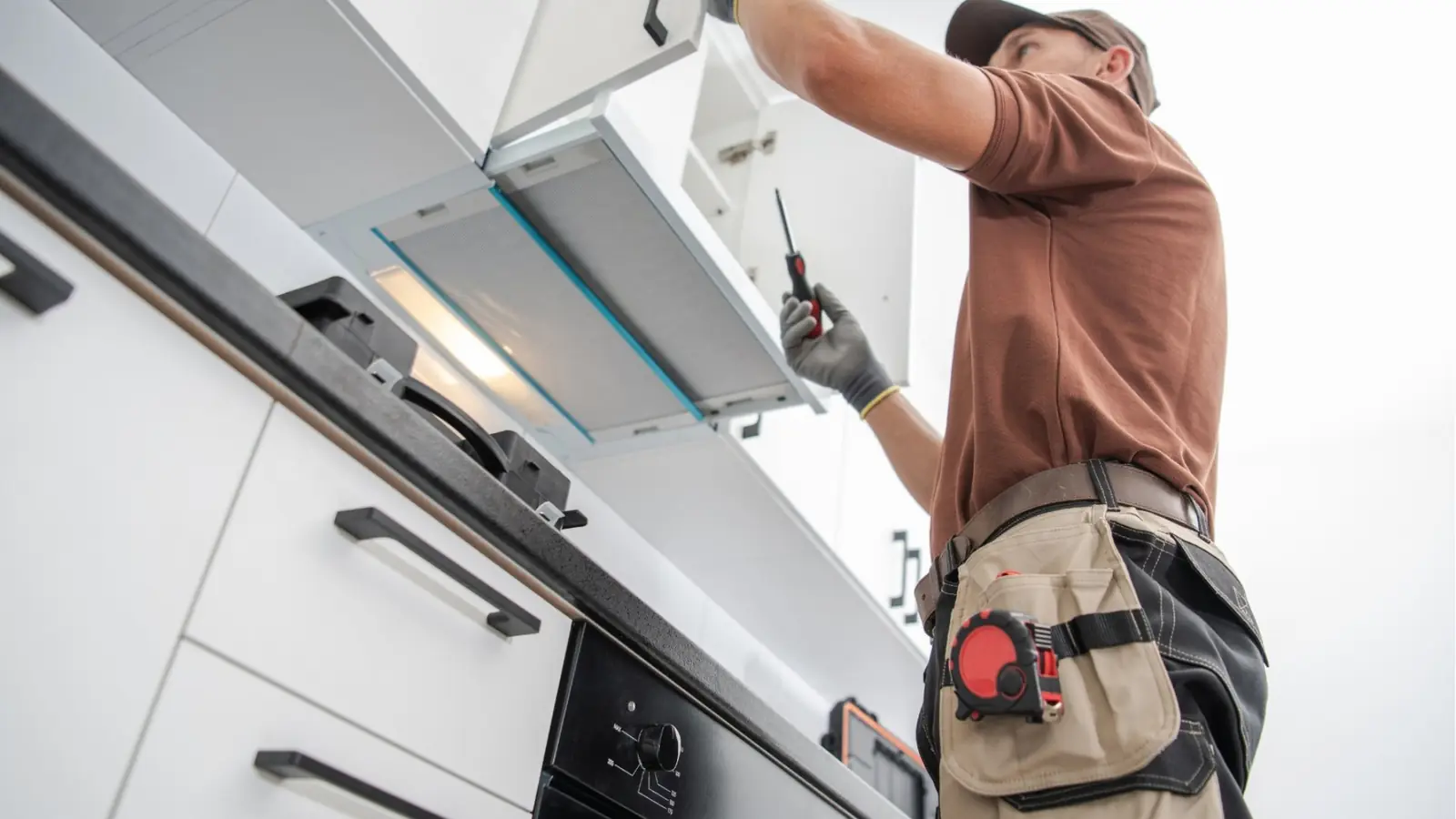
When homeowners first hear "kitchen remodel," they immediately think about cabinets, countertops, and appliances. But here's what many don't realize: labor costs often account for 25 to 35% of the total project budget. On a $50,000 remodel, that's $12,500 to $17,500 just for labor.
Understanding what contractors actually charge, and why, helps you make informed budget decisions and spot realistic estimates. This guide breaks down labor costs by trade, complexity level, and location so you know what to expect when you call a contractor.
Why Labor Costs Vary So Much in Kitchen Remodels
Not all kitchen remodels are created equal. A 120-square-foot galley kitchen in downtown Albany bears zero resemblance to a 200-square-foot chef's kitchen in a suburban home. The labor differences are enormous.
Kitchen size is the first variable. Larger kitchens require more materials, more cut-ins, and more man-hours. A small kitchen might need 80 linear feet of cabinetry; a large one might need 150+.
Layout complexity is the second. If your new kitchen layout matches the old one, plumbers and electricians can reuse existing rough-ins. If you're moving the sink to the island, relocating the stove, or adding an entirely new zone, every trade must reroute pipes and wires. That doubles or triples labor time.
Age and condition of the home matters too. A 1970s kitchen in good condition has copper lines and adequate electrical circuits. A 1920s brownstone in Albany has galvanized steel supply lines, cast iron drains, and a 60-amp electrical panel. Upgrading to modern code adds $3,000 to $8,000 in plumbing and electrical labor alone.
Material choices also impact labor. Installing stock cabinets is straightforward. Installing custom cabinetry with built-in appliances, soft-close mechanisms, and detailed joinery takes longer and costs more in labor.
Labor Costs by Trade
Cabinet Installation Labor
Cabinet installation is the single most time-consuming trade in a kitchen remodel. A skilled cabinet installer can hang 8 to 12 linear feet per day on a straightforward layout. More complex layouts with islands, soft-close hardware, and built-in appliances slow that pace considerably.
Expect to pay $100 to $250 per linear foot of labor for cabinet installation, depending on complexity and local rates. In the Albany area, most contractors charge $120 to $180 per linear foot. A standard 20-foot kitchen costs $2,400 to $3,600 in cabinet labor alone. A 30-foot kitchen with an island runs $3,600 to $7,500+.
What's included in cabinet labor? Wall and base cabinet installation, shimming to level and plumb, backing board installation, hardware installation, and integration with appliances. What isn't included: plumbing rough-in work (that's the plumber's job), electrical outlet relocation (electrician), or countertop template creation (usually the countertop fabricator).
Plumbing Labor
Plumbing labor in a kitchen remodel breaks into two categories: rough-in work and fixture installation. Rough-in is the hidden piping (supply lines, drains, vent lines) that happens after framing but before drywall. Fixture work (faucet, sink, garbage disposal, instant hot water dispenser) happens later.
Simple kitchen (no pipe relocation): $800 to $1,500 for fixture installation and minor adjustments.
Mid-range kitchen (sink relocation, new drain, disposal): $2,000 to $3,500 for rough-in modifications and fixture work.
Complex kitchen (island sink, new water line, drain relocation, code upgrades): $3,500 to $6,000+ especially in older Albany homes where galvanized lines must be replaced with copper or PEX.
Plumbers charge either by the hour ($75 to $150/hour in the Albany area) or a flat rate for the entire job. A flat rate is better for you as a homeowner because it gives you budget certainty. Just make sure the estimate details what's included.
Electrical Labor
Electrical work in kitchens includes rough-in circuits, outlet and switch relocation, panel upgrades, and fixture installation (lighting, range hood, exhaust fans). Code requires GFCI protection and adequate circuits for modern appliances.
Simple kitchen (new outlets same locations, fixture updates): $1,000 to $1,500
Mid-range kitchen (new circuits for appliances, some relocation, modern lighting): $1,500 to $2,500
Complex kitchen (panel upgrade from 60-amp to 200-amp, extensive rough-in work, dedicated circuits for each appliance): $2,500 to $4,000+
Like plumbers, electricians typically charge $85 to $150/hour in upstate New York, or a flat rate per job. Panel upgrades are usually quoted separately at $1,500 to $3,000 depending on the scope.

Finish carpentry and trim installation adds precision and detail to every project
Tile and Backsplash Labor
Tile setters charge $8 to $15 per square foot for backsplash tile, or $1,000 to $2,500 for a typical 15 to 20 square foot backsplash. Marble, natural stone, and complex patterns cost more. A simple subway tile backsplash runs $1,200 to $1,800. An intricate herringbone or Moroccan pattern with multiple materials runs $2,000 to $3,500+.
Carpentry and Structural Work
Removing a wall to open up your kitchen? That's carpentry (and structural engineering if the wall is load-bearing). A non-load-bearing wall removal costs $1,500 to $3,500 in labor. A load-bearing wall removal with beam installation costs $3,000 to $8,000+ depending on the span and complexity. This doesn't include the beam itself or the structural engineer's fees.
Get Your Kitchen Labor Costs Estimated
Every kitchen is different, and labor depends on your exact layout and scope. Mastaba provides detailed labor breakdowns in every estimate so you understand exactly what you're paying for. Call for a free consultation.
Call (518) 308-6427 →How General Contractors Calculate Labor Costs
Most general contractors use one of three methods to bid labor:
1. Per-trade estimates. The contractor solicits bids from their plumber, electrician, tile setter, and cabinet installer. Each trade provides a flat price. The contractor adds a percentage (typically 10 to 20%) as their project management fee and presents a combined labor cost to you. This method is transparent and good for comparison shopping.
2. Time and materials. The contractor charges an hourly rate for their own labor, plus the cost of subcontractors' time and materials. You pay whatever the time adds up to. This method is risky for homeowners because there's no cost ceiling. Delays, changes, or scope creep directly increase your bill.
3. Fixed price for the full project. The contractor quotes a single price that includes all labor, materials, permits, and overhead. This is the safest method for homeowners because the price doesn't change unless the scope changes. Mastaba uses this method for every project. We manage the risk; you get budget certainty.
In-House vs. Subcontracted Labor
Some contractors do all the work themselves. Others subcontract plumbing, electrical, and tile work to specialized trades. There are pros and cons to each.
Subcontracted labor is more common. A general contractor coordinates multiple trades, manages the schedule, and backs the quality with a warranty. Subcontractors are specialists, their plumber has done 200 kitchen plumbing jobs, not 20. The downside: you're paying the general contractor a markup (typically 15 to 25%) on top of what the trades charge.
In-house labor is what Mastaba does. We employ our own plumbers, electricians, carpenters, and tile setters. This means no subcontractor markup, better quality control, faster scheduling, and consistent communication. You deal with one team, not five different trades with five different schedules. It also means every team member is accountable to the company, not just to themselves.
What to Look For in a Labor Estimate
A quality labor estimate should:
- Break down labor by trade. Separate line items for cabinetry, plumbing, electrical, tile, carpentry, etc.
- Show the scope of work clearly. What's included and what's not. Are permit fees separate? Appliance delivery and hookup?
- Include labor hours or per-unit pricing. "Cabinet installation: $3,200" is fine. "Labor: $8,000" with no detail is a red flag.
- State the timeline. How long will the project take? When will each phase happen?
- Include a warranty on labor. Most reputable contractors offer 1 to 5 years of warranty on their labor. This protects you if something fails.
Frequently Asked Questions
What percentage of a kitchen remodel budget is labor?
Labor typically accounts for 25 to 35% of the total kitchen remodel budget. On a $50,000 remodel, expect $12,500 to $17,500 in labor costs. The exact percentage depends on the complexity of the work, whether structural changes are involved, and local wage rates.
How much does it cost to install kitchen cabinets?
Cabinet installation labor typically costs $100 to $250 per linear foot. For a standard 20-foot kitchen, expect $2,000 to $5,000 in labor alone. Island cabinets, custom layouts, and difficult plumbing situations increase the cost per linear foot.
How much does a plumber charge for kitchen remodel plumbing work?
Kitchen plumbing labor typically costs $2,000 to $6,000 for supply line relocation, new fixtures, and drain work. If no pipes are being moved, plumbing labor might be as low as $800 to $1,500 for fixture installation only. Older homes with galvanized lines or cast iron drains cost more to update.
What does an electrician charge for kitchen remodel electrical work?
Electrical labor for kitchen remodels typically runs $1,500 to $4,000 depending on circuit additions, panel upgrades, and code compliance. Simple fixture updates cost less; adding dedicated circuits for appliances and upgrading the panel cost more.
Is it more expensive to hire a general contractor or individual trades?
A general contractor typically costs 15 to 25% more than hiring individual plumbers, electricians, and carpenters separately. However, contractors manage scheduling, warranty, and coordination. For homeowners without construction experience, the convenience and accountability of a contractor is often worth the premium.
How long does kitchen remodel labor take?
A mid-range kitchen remodel with layout changes takes 6 to 10 weeks of labor. A kitchen renovation without structural changes takes 2 to 4 weeks. The timeline depends on kitchen size, complexity, permit inspections, and material lead times.