

Finding and hiring the right home renovation contractor can mean the difference between a transformative, stress-free project and a nightmare that drains your bank account and your patience. Albany has excellent contractors, but also some who cut corners, overcharge, or fail to deliver quality work.
This guide walks you through every step of contractor selection: identifying candidates, verifying credentials, comparing bids, asking the right questions, understanding contracts, and red flags to avoid. Whether you're planning a kitchen renovation, bathroom update, or complete home renovation, this process applies.
Where to Find Renovation Contractors
Start by asking for referrals. Friends, family, neighbors, and colleagues are your best sources for recommendations. When someone mentions they had a great experience with a contractor, ask follow-up questions: Were they on time? Did they stay on budget? How do they communicate? Would you hire them again?
Check online reviews on Google, Yelp, and the Better Business Bureau. Look for patterns in reviews rather than individual complaints. A contractor with 60 reviews averaging 4.7 stars is more likely to be reliable than one with 3 five-star reviews or one with lots of scathing feedback about communication and cost overruns.
Interview multiple contractors. Plan to get estimates from at least three candidates. This gives you a pricing baseline and helps you evaluate each contractor's professionalism, communication, and understanding of your project.
Verify Licensing and Insurance
In New York State, any contractor performing work over $1,000 must be licensed. Check the New York Department of State website to verify a contractor's license number, status, and any disciplinary history. This takes two minutes and is absolutely essential.
Ask the contractor to provide proof of current general liability insurance ($1M+ coverage) and workers' compensation insurance. Call the insurance company directly to verify coverage is current. Never start work with an uninsured contractor. If someone is injured on your property or your home is damaged, you could be held liable.
A professional contractor has no problem providing this information. If a contractor is evasive or can't provide proof of insurance, disqualify them immediately. They're either illegitimate or unprofessional.
Evaluate Experience and Specialization
Ask contractors about their experience with projects similar to yours. If you're doing a kitchen renovation, hire a contractor with extensive kitchen renovation experience. If you're doing a bathroom update, hire a contractor who specializes in bathrooms. A contractor with proven success on your specific type of project is worth more than a generalist.
Request references from three to five recent projects, ideally projects completed within the last year. Call these references. Ask about the contractor's professionalism, ability to meet deadlines, communication, responsiveness to issues, and cleanliness on the job site. If possible, visit completed projects in person to see the quality of work.
A contractor with 15+ years of experience, 200+ completed projects, and 50+ five-star reviews is a safer choice than a newer contractor with fewer references. Experience matters, especially with complex renovations.
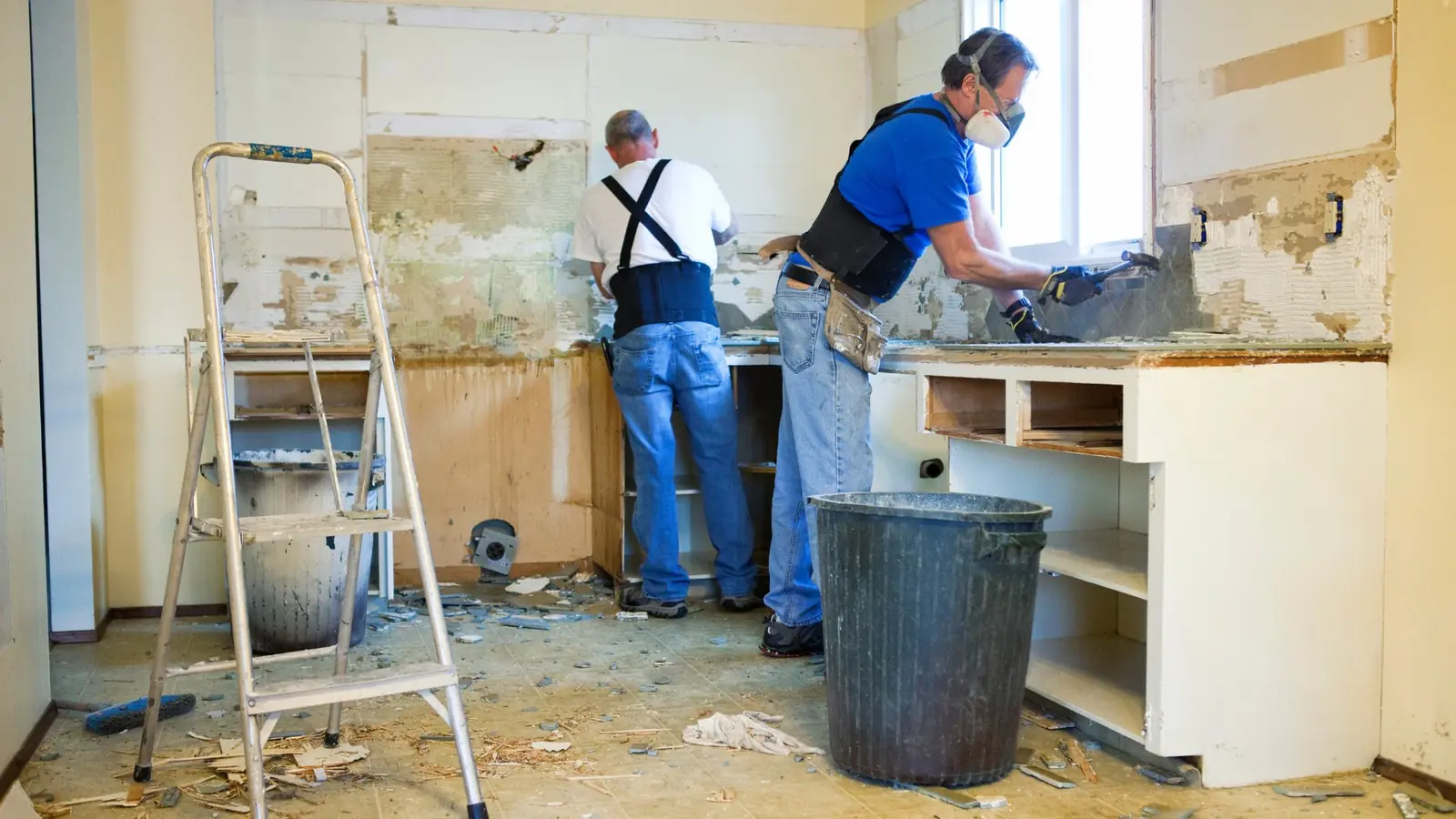
Quality craftsmanship is a hallmark of professional contractors
Comparing Bids
When you get three bids, they may vary significantly. Never automatically choose the lowest. Instead, understand the differences. Is one bid missing elements that the others include? Is one contractor using cheaper materials? Are timelines different?
A detailed bid breaks down costs line by line: demolition, labor by trade, specific materials with part numbers, appliances, fixtures, permits, disposal, and contingency. A vague bid that just says "kitchen renovation, $35,000" without specifics is a red flag. You don't know what you're paying for.
If one bid is 30% lower than the others, be skeptical. The contractor may be underbidding to win the job, planning to upsell once work begins, or cutting corners. A mid-range bid from a well-reviewed contractor is safer than aggressive low pricing.
Get Your Free Renovation Estimate From Mastaba
Mastaba is a fully licensed, insured home renovation contractor with 15+ years of experience in Albany. We provide detailed, transparent estimates at no obligation. Call today for a consultation.
Call (518) 308-6427 →Essential Questions to Ask
About Communication and Project Management
- How often will you visit the site during the project?
- Who will I contact with questions during construction?
- How do you handle changes to the scope of work?
- Will you provide a detailed project schedule?
- What happens if the project runs over schedule?
About Costs and Payments
- What is included and excluded in your estimate?
- When do you require payment and how much?
- How do you handle change orders that increase the cost?
- Is there a contingency amount, and when is it used?
- What is your cancellation or refund policy?
About Warranty and Guarantees
- What warranty do you provide on workmanship?
- How do you handle defects discovered after the project?
- Do materials carry manufacturer warranty?
- What is your process for warranty claims?
Red Flags to Avoid
Certain behaviors should disqualify a contractor immediately:
- Insists on large cash prepayment
- No valid business license or proof of insurance
- Refuses to provide written contract or estimates
- Can't provide references
- Evasive about how long they've been in business
- Pressures you to sign immediately
- Claims they can save money by skipping permits
- Multiple complaints online about unpaid subcontractors or unfinished work
- No business address or phone number
- Negative reviews mentioning similar problems (communication, cost overruns, quality issues)
Understanding the Contract
Never start work without a signed contract. The contract protects both you and the contractor by clarifying expectations. A comprehensive renovation contract includes:
- Detailed scope of work with specific materials and finishes
- Project timeline with start and expected completion date
- Complete pricing with itemized breakdown
- Payment schedule tied to project milestones
- Warranty terms on workmanship and materials
- Permit and inspection responsibilities
- Change order procedures and how additional costs are handled
- Insurance and licensing requirements
- Dispute resolution process
If you're uncomfortable with contract terms, have an attorney review it. A few hundred dollars in legal fees can save you thousands in disputes.
Related Articles
Frequently Asked Questions
What is the difference between a general contractor and a renovation specialist?
A general contractor oversees all aspects of a project and can handle any type of renovation. A renovation specialist focuses on specific types of work like kitchens or bathrooms. Both should be licensed and insured. A good renovation contractor has deep experience in the specific type of work you're doing.
Should I hire a contractor or do renovations myself?
Unless you have professional construction experience, hire a licensed contractor. DIY mistakes in plumbing, electrical, or structural work can be expensive to fix and unsafe. A professional contractor has skills, tools, experience, and insurance. Professional work also has better resale appeal.
How do I know if a renovation contractor is legitimate?
Verify the contractor is licensed with the New York State Department of State, carries current general liability and workers' compensation insurance, has multiple references you can call, and operates from a business address. Avoid contractors who work cash-only, have no business address, or are evasive about credentials.
What should a renovation contract include?
A comprehensive contract should include: detailed scope of work, specific materials and finishes, project timeline with start and end dates, complete pricing with line-item breakdown, payment schedule tied to milestones, warranty terms, licensing and insurance requirements, permit responsibilities, change order procedures, and dispute resolution.
How much should I expect to pay upfront for a renovation?
A legitimate contractor typically requires 10 to 15% upfront to cover initial materials and mobilization costs. Never prepay more than 15% or pay the full amount upfront. The rest should be paid in progress installments as work is completed and inspected.
What warranty should a renovation contractor provide?
A reputable contractor provides a written warranty on workmanship, typically 1 to 5 years. This covers defects in construction, gaps in finishes, cracked drywall, etc. They should also warranty materials per manufacturer specifications. Mastaba provides a 5-Year Workmanship Warranty on all projects.