
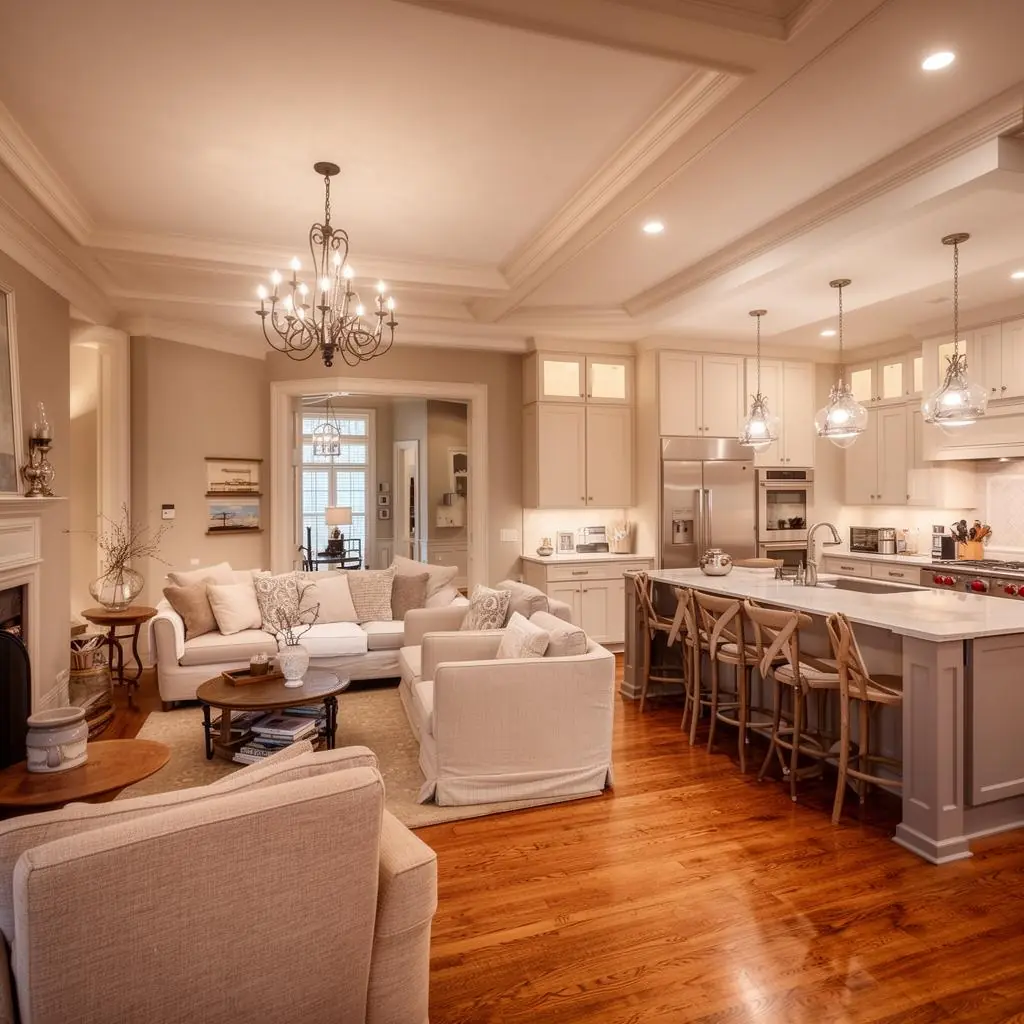
A complete home renovation is a transformative investment. Unlike updating a single kitchen or bathroom, a full home renovation reimagines your entire living space, every system, every room, every surface. For families who have owned their homes for 20+ years, or for new owners discovering 1970s systems that are failing, a complete renovation is often the smartest long-term decision.
But it's also overwhelming. What's involved? How long will it take? What will it cost? How do you manage a project this complex? This guide answers every question, from the initial planning phase through final move-in day. You'll understand the realistic timeline, budget expectations, each project phase, and what separates a professional renovation from amateur attempts.
What Does a "Complete Home Renovation" Include?
A complete home renovation typically includes most or all of these elements:
- Kitchen remodel: New cabinets, countertops, appliances, flooring, and layout
- Bathroom renovations: New fixtures, tile, flooring, plumbing upgrades (all bathrooms)
- Electrical system upgrade: New panel, wiring, outlets, and modern circuits
- Plumbing replacement: New water and drain lines, fixture upgrades
- HVAC system: New furnace, air conditioning, and ductwork
- Flooring throughout: New hardwood, tile, or luxury vinyl in all areas
- Interior paint and trim: New walls, doors, baseboards, and hardware
- Structural repairs: Foundation, framing, roofing if needed
- Insulation upgrade: Better thermal and moisture control
- Updated lighting: New fixtures and smart home integration
The Complete Renovation Timeline: Phase by Phase
Phase 1: Planning and Design (2 to 4 Weeks)
This is where success starts. Work with your contractor to define scope, finishes, timelines, and budget. Create detailed floor plans, choose fixtures and materials, and establish priorities. Get multiple estimates. Discuss what happens if issues are discovered during demolition (the contingency budget). Establish clear communication protocols. This phase requires 4 to 8 hours of your time, but saves months of confusion later.
Phase 2: Permits and Pre-Construction (2 to 4 Weeks)
Your contractor applies for building permits. This includes electrical, plumbing, structural, and general renovation permits. Review and approve all permits and plans. Schedule pre-construction meetings with all trades. Order long-lead items (custom cabinets, fixtures) that take 6 to 8 weeks. Set up a construction schedule with your utility company. Get homeowner's insurance updated. This phase establishes the project's legal foundation.
Phase 3: Demolition and Structural Work (4 to 8 Weeks)
The old comes out. Demolition removes drywall, flooring, fixtures, cabinetry, and old systems. Hazmat removal occurs (asbestos, lead paint, mold). Once exposed, structural issues become visible and are repaired, rotted sills, damaged joists, foundation cracks. This phase generates noise and dust. If you're living in the home, life becomes chaotic. Many families relocate during this phase. Inspections occur to verify structural work.
Phase 4: Systems Installation (8 to 12 Weeks)
Once structures are sound, new systems go in. Electrical rough-in happens first (new wiring, panel upgrade). Plumbing rough-in follows (new water and drain lines). HVAC installation includes new furnace, AC, and ductwork. Walls are insulated. Inspections verify all systems. This phase requires careful coordination between trades. Timing is critical, one trade blocking another causes delays. Your contractor manages this orchestration.
Phase 5: Finishing Out (8 to 12 Weeks)
Drywall goes up, taped, and mudded. Flooring is installed throughout. Kitchen cabinets arrive and are installed. Bathroom vanities and fixtures are set. Trim and baseboards are applied. Paint happens. Lighting fixtures and switches are installed. Plumbing and electrical fixtures are finished. Each trade cycles through as others finish. This phase is visible progress, your home starts looking like itself again.
Phase 6: Final Details and Inspections (2 to 4 Weeks)
Final inspections by building department verify all work. Doors and hardware are installed. Appliances are delivered and hooked up. Punch-list items are completed (small fixes and finishing touches). Final walk-through with your contractor confirms everything meets expectations. Permits are closed. Certificate of Occupancy is issued. You receive warranties and documentation. You move in.

Planning phase where homeowners and contractors align on scope and finishes
Ready to Plan Your Complete Home Renovation?
A complete home renovation transforms your home for the next 20+ years. Mastaba brings experience from 70+ Capital Region homes, detailed planning, and owner-led management that keeps projects on schedule and on budget.
Call (518) 308-6427 →Budget Expectations by Project Scale
Mid-Range Complete Renovation ($150,000 to $300,000)
Updates for a 1,500 sq ft home with quality finishes:
- All new systems (electrical, plumbing, HVAC)
- Kitchen remodel with semi-custom cabinets
- Two bathroom remodels with tile work
- New flooring throughout
- Fresh paint and updated lighting
- Quality finishes, not luxury
Premium Complete Renovation ($300,000 to $500,000+)
High-end renovation for a 2,000 sq ft home with luxury finishes:
- All new systems with high-efficiency equipment
- Custom kitchen with premium cabinetry and appliances
- Master bath spa with soaking tub and steam shower
- Guest baths with high-end fixtures and finishes
- Premium flooring throughout (hardwood, natural stone)
- Designer lighting and smart home integration
- Layout reconfiguration if needed
Key Success Factors for Complete Home Renovations
1. Choose an Owner-Led Contractor
The best renovations are managed by the business owner, not delegated to project managers. Jeffrey Mason oversees every Mastaba project personally. He makes decisions, coordinates trades, and solves problems in real time. Absentee contractors lead to delays, communication gaps, and quality issues.
2. Plan for Contingencies
Budget 10 to 15% contingency. Hidden issues emerge during demolition, mold, asbestos, rotted wood, foundation settling. A $250,000 project should have $25,000 to $37,500 reserved. Prepared contractors account for this. Underfunded projects pause when surprises emerge.
3. Establish Clear Communication Protocols
Agree on how you communicate, daily updates, weekly meetings, email summaries. Set escalation procedures for decisions. Know how contingency decisions are made. Clear protocols prevent misunderstandings and conflicts.
4. Finalize Decisions Before Demolition Starts
Changes during construction cost time and money. Decide on cabinet styles, fixture finishes, flooring, paint colors, and appliances before demolition. This prevents delays and cost overruns.
5. Plan for Temporary Disruption
Most families relocate during a complete renovation. Budget for temporary housing, or plan to stay elsewhere with family or friends. Budget utilities, meals, and temporary bathroom/kitchen solutions if you remain. Dust and noise pervade the entire home.
Related Articles
Frequently Asked Questions
What is involved in a complete home renovation?
A complete home renovation involves updating or replacing all major systems including electrical, plumbing, HVAC, kitchen, bathrooms, flooring, and finishes. It may include structural repairs, new roofing, and layout changes. The scope depends on whether you're doing a full gut remodel or updating specific areas.
How long does a complete home renovation take?
A complete home renovation typically takes 6 to 12 months for a 2,000 sq ft home. This includes 2 to 4 weeks of planning and permits, 4 to 6 weeks of demolition, 8 to 12 weeks for structural and system work, and 8 to 12 weeks for finishes. Larger homes or complex projects may take 12 to 18 months.
What is the average cost of a complete home renovation?
A complete home renovation costs $100 to $300 per square foot depending on quality level. A 2,000 sq ft home averages $200,000 to $500,000. Budget includes all systems, finishes, kitchen, bathrooms, and contingencies for hidden issues.
Should I hire a general contractor for a full home renovation?
Yes. A full home renovation involves coordinating electrical, plumbing, HVAC, structural, and finish trades. A qualified general contractor manages permits, inspections, scheduling, and quality control. Owner-led management ensures accountability and consistent communication.
Can I live in my home during a complete renovation?
It depends on the scope. If renovating one room at a time, you may stay. A complete gut renovation is disruptive, dust, noise, and utility disruptions are constant. Most families temporarily relocate during a full home renovation. Budget for temporary housing if needed.
What contingency should I budget for a complete renovation?
Budget 10 to 15% contingency above your project estimate. For a $250,000 renovation, that's $25,000 to $37,500 reserved for hidden costs like asbestos, mold, foundation issues, or structural repairs discovered during demolition.