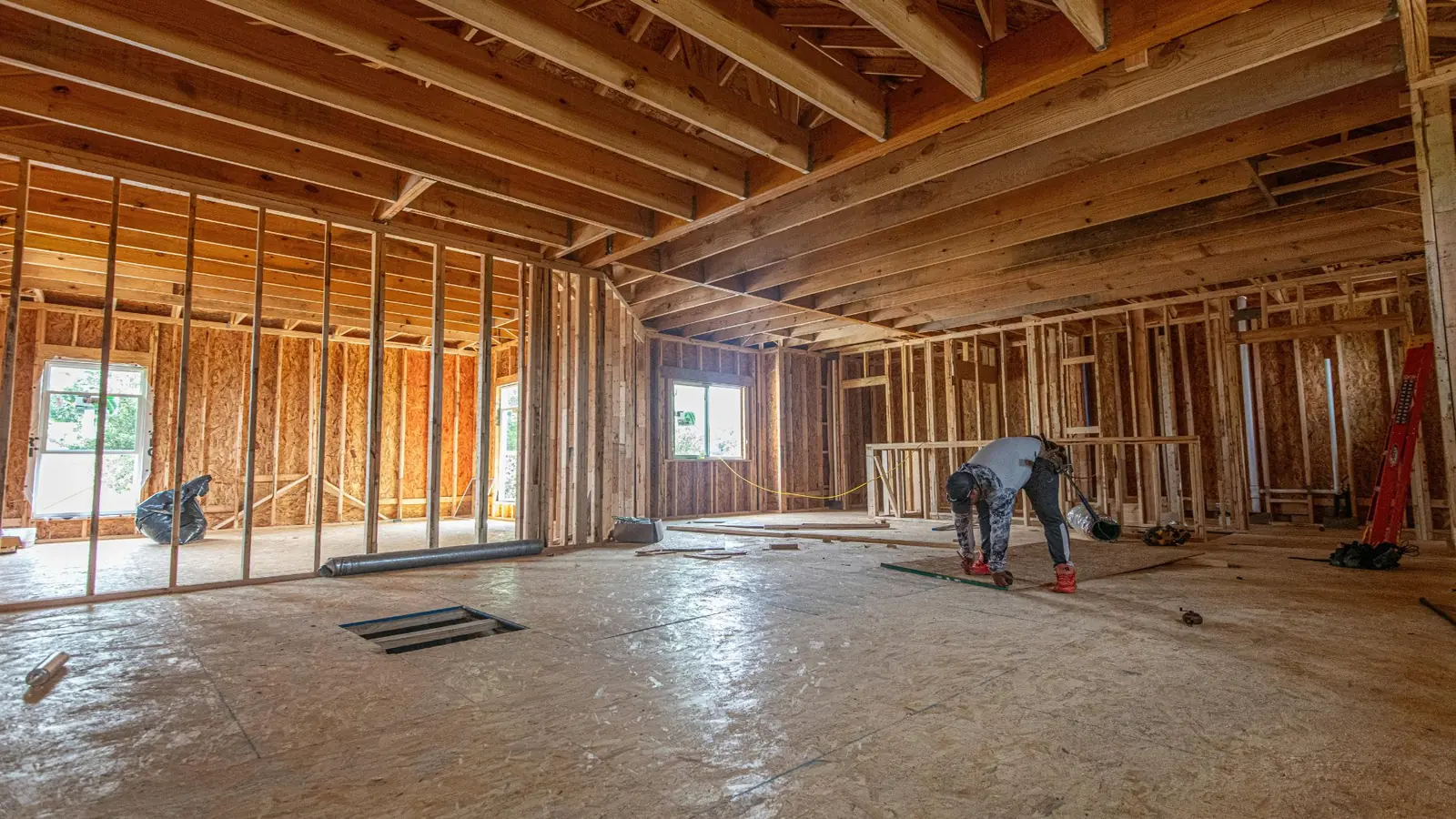
You're planning to finish your basement and create rooms for a guest suite, home office, or recreation area. The first major task is framing walls. You see YouTube videos of people building walls and think, "That looks manageable. I can frame a basement." But basement wall framing is fundamentally different from framing an above-ground room. Moisture, structural considerations, insulation requirements, and code compliance make basement framing more complex than it appears.
This guide breaks down the differences between DIY and professional basement framing, explains why basement walls are special, covers building codes in New York, and helps you decide whether to tackle this project yourself or hire professionals. By the end, you'll understand the true cost and effort involved.
Why Basement Framing Is Different
Framing a wall in your basement is not the same as framing a wall on the first floor. Basements present unique challenges that demand specialized approaches:
- Moisture: Basements are humid and prone to water intrusion. Standard wood framing will rot in these conditions. You must use pressure-treated lumber, waterproof membranes, and proper drainage design.
- Concrete attachment: Basement walls sit on or against concrete. Framing must be properly fastened to concrete using appropriate anchors, not just nailed to a wood sill plate.
- Vapor barriers: Basements require vapor barriers to prevent moisture from traveling through walls and causing mold. This needs careful planning and installation.
- Insulation: Basement insulation must be moisture-resistant. Fiberglass batts are inappropriate in humid basements. Spray foam or closed-cell foam is better.
- Permits and codes: Basement framing almost always requires permits and inspections in New York. Building departments focus on structural safety, moisture management, and egress requirements.
DIY Basement Framing: Pros, Cons, and Hidden Costs
Why DIY appeals: Framing looks straightforward. Measure, cut, nail studs to plates, and you're done. Material costs for an 800 sq ft basement are only $3,000 to $8,000. The math seems to work: DIY saves thousands in labor.
The reality: Most DIYers underestimate the challenges. Fastening to concrete requires specific anchors. Vapor barriers and waterproofing membranes need careful planning. Walls must be plumb and square, which is harder than it looks on concrete floors that aren't perfectly level. Electrical rough-in coordination adds complexity. Building departments may reject framing that doesn't meet code, forcing expensive revisions.
Actual costs of DIY mistakes: A wall that's out of plumb by 1.5 inches over 8 feet will cause problems downstream. Doors won't close properly. Drywall will be difficult to hang. You may need to tear out and rebuild sections, negating your labor savings. Improper fastening to concrete can shift over time. Inadequate moisture control leads to mold within 2 to 3 years, requiring removal and replacement. These corrections cost more than hiring professionals from the start.
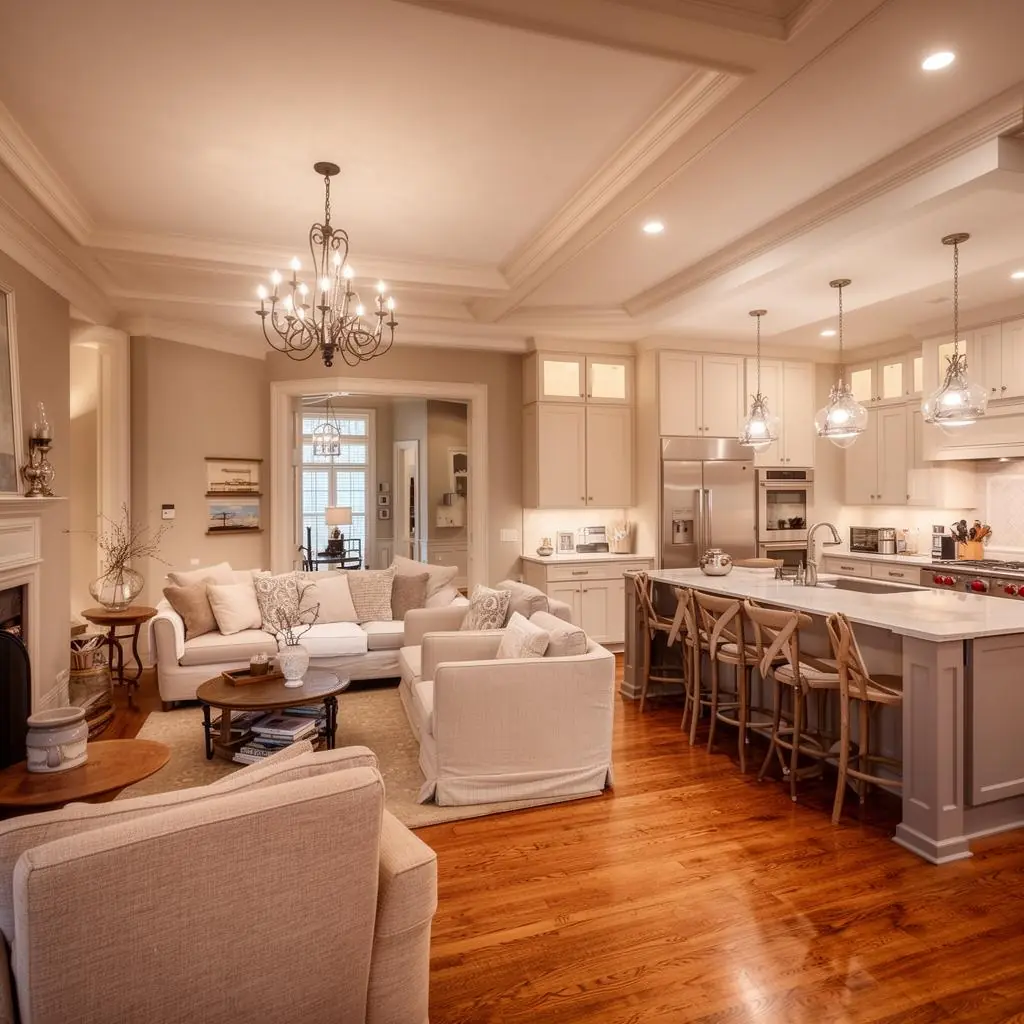
Professional-grade basement wall framing ensures longevity and code compliance
Professional Basement Framing: What You Get
Professional basement framing typically costs $8,000 to $20,000 for an 800 to 1000 sq ft space, depending on:
- Complexity of the layout
- Whether walls are load-bearing or partition walls
- Insulation and moisture control requirements
- Electrical rough-in coordination
- Existing foundation condition
What you get for this cost: proper permits and inspections, structural design that accounts for your specific foundation, moisture-resistant materials and waterproofing, plumb and square walls installed correctly, electrical coordination, code compliance documentation, and warranty on workmanship. You also get peace of mind that the foundation of your finished basement is solid.
New York Building Code Requirements for Basement Walls
New York's building code has specific requirements for basement framing and finishing:
- Permits required: Almost all basement framing requires a permit. Finishing without permits is a liability risk and can prevent home sale.
- Structural safety: Walls must be designed to support intended loads. Partition walls are different from load-bearing walls and require different construction.
- Moisture control: Code requires moisture barriers and drainage considerations. Inspector will verify proper waterproofing and vapor management.
- Egress requirements: If the basement will have a sleeping area, emergency exit windows are required. These must meet minimum size and openability standards.
- Fire safety: Bedrooms require fire-rated walls. This affects framing and insulation choices.
- Electrical and mechanical rough-in: These must be inspected before drywall, and must meet current code standards.
Let Professionals Frame Your Basement
Mastaba's team has framed hundreds of basement walls across the Capital Region. We handle permits, inspections, moisture control, and code compliance so you don't have to. Our framing work is built to last decades, not just pass inspection. Get your basement project off to the right start.
Call (518) 308-6427 →Timeline for Professional Basement Framing
A typical basement framing project follows this timeline:
- Week 1: Permit application and approval (1 to 3 weeks in most Capital Region municipalities)
- Week 2 to 3: Layout marking, sill plate prep, frame installation
- Week 3 to 4: Waterproofing membranes, vapor barriers, insulation
- Week 4 to 5: Electrical and mechanical rough-in coordination
- Week 5: Final framing inspection
- Week 6+: Drywall, finish work
Related Articles
Frequently Asked Questions
Can I frame basement walls myself?
Framing is physically simpler than plumbing or electrical work, but basement-specific considerations make DIY risky. You must account for moisture, proper lumber selection, fastening to concrete, insulation requirements, and code compliance. Most homeowners should hire professionals. If you proceed, hire a structural engineer to review your design.
What is the cost difference between DIY and professional basement framing?
DIY framing costs $3,000 to $8,000 in materials. Professional framing costs $8,000 to $20,000 depending on wall complexity. The upfront cost savings of DIY are often negated by mistakes, code issues, and the need for professional corrections. Professional work includes proper permits, inspections, and guarantees.
Do basement walls require special materials?
Yes. Basement walls should use pressure-treated lumber to resist moisture. The sill plate (where the frame sits on concrete) must be sealed to prevent moisture wicking. Walls should include a vapor barrier or waterproofing membrane. Standard above-ground framing materials will rot in humid basements.
What building codes apply to basement walls in New York?
New York requires basement walls to meet current building codes, including structural safety, proper fastening to foundation, fire-rated materials if sleeping areas, emergency egress windows for bedrooms, and moisture protection. Most municipalities require permits for basement framing. Improper framing can create liability issues when selling.
How long does professional basement framing take?
A typical 800-1000 sq ft basement takes 2 to 5 weeks to frame, depending on complexity. This includes layout, stud installation, electrical rough-in coordination, and final inspection. Complex layouts or special requirements (soundproofing, vapor barriers, etc.) extend the timeline.
Should basement walls be insulated?
Yes. Insulating basement walls improves comfort and energy efficiency. A 2x4 frame with fiberglass or spray foam insulation costs $1,000 to $3,000 per 1,000 sq ft. Uninsulated basements feel cold and damp. Proper insulation also helps with moisture control and mold prevention.