

One bathroom for a family of four is a morning nightmare. Multiple kids share a single shower, bathroom traffic jams become routine, and personal space disappears. Adding a bathroom solves this fundamental livability issue. Unlike expansive additions, a bathroom addition is focused, manageable, and delivers measurable daily improvement.
But where do you add it? What does it cost? How do you maximize the return on investment? This guide covers bathroom addition strategy, from location selection based on plumbing proximity to cost breakdowns by bathroom type. You'll understand what drives cost and where to add a bathroom for maximum value and function.
Where Should You Add a Bathroom? Location Matters
Option 1: Near Existing Plumbing (Best Value)
The ideal location is within 15 feet of your main plumbing stack (where all drains converge). This might be above/below an existing bathroom, adjacent to the kitchen, or near the laundry room. Why? Because new plumbing fixtures (toilet, sink, shower) can tie into the existing system with minimal new drain and vent lines. Cost savings: $5,000 to $12,000 compared to distant locations. Example: adding a powder room adjacent to an existing bathroom costs far less than adding one on the opposite side of the house.
Option 2: In a Bedroom or Closet (Space Efficient)
Converting part of a bedroom into an ensuite bathroom is popular. It doesn't require new square footage. You reframe a closet, steal space from the bedroom, and gain a private ensuite. The trade-off: you lose bedroom space. This works best if you have 3+ bedrooms and can sacrifice one partially. Cost is typically $20,000 to $35,000 for a full bathroom conversion. If near existing plumbing, it's the most economical addition.
Option 3: Above Basement with Utilities (Lower Cost)
If your home has a basement with accessible utilities (plumbing stack, electrical), adding a bathroom directly above is economical. The basement may already have drain lines and water supply available. Foundation work is minimal since the floor/ceiling already exists. Second-story additions over basements cost $25,000 to $40,000 and are faster than ground-level additions requiring new foundations.
Option 4: Master Bedroom Ensuite (Premium Addition)
Adding a spa-like ensuite bathroom to your master bedroom is a luxury that dramatically improves daily life. This typically costs $35,000 to $60,000 depending on size and finishes. The location is fixed (where your master bedroom is), and plumbing may require extended lines, increasing cost. However, a master ensuite is a premium feature that adds significant resale value (often recouping 60 to 75% of cost).
Option 5: Powder Room (Half Bath, Limited Fixtures)
A powder room (toilet, sink, no shower) is the most economical addition. Cost is $12,000 to $20,000 for a small half bath. It requires minimal plumbing (one toilet and one sink) and no shower/tub. Ideal locations: under stairs, corner of living room, or mudroom area. A powder room dramatically improves entertaining (guests don't need the kids' bathroom) and costs less than a full bathroom.
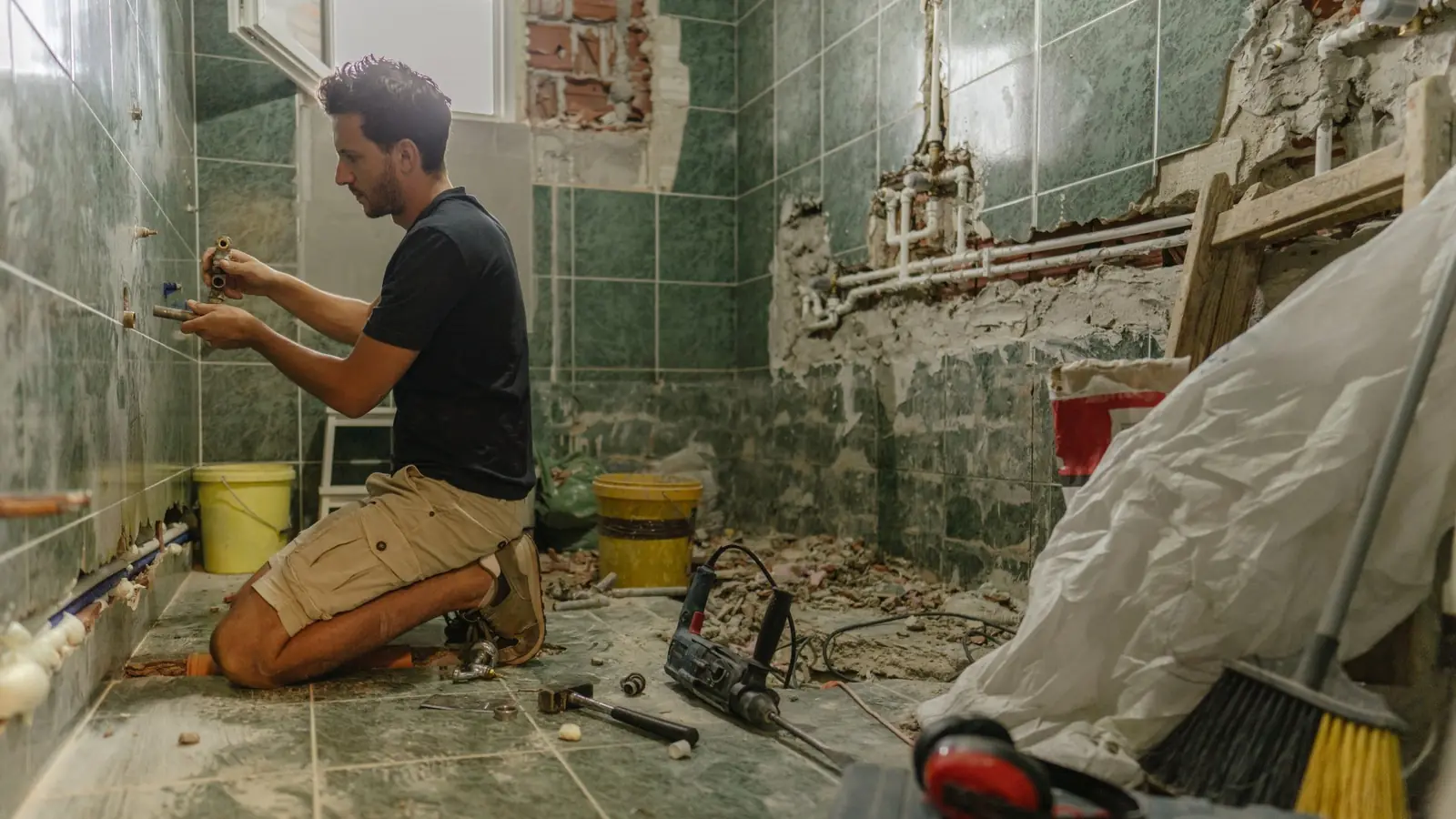
Quality bathroom addition with custom finishes
Plan Your Bathroom Addition
Mastaba helps you select the ideal location for your bathroom addition, balancing cost, plumbing proximity, and your family's lifestyle. We manage the entire project from design through final fixtures.
Call (518) 308-6427 →Bathroom Addition Costs by Type
Half Bath (Powder Room): $12,000 to $20,000
- Toilet, sink, no shower
- New framing and drywall: $2,000 to $4,000
- Plumbing (toilet and sink supply/drain): $2,500 to $4,000
- Electrical (lights, exhaust): $800 to $1,500
- Fixtures and vanity: $1,500 to $3,000
- Flooring and tile: $2,000 to $3,500
- Paint and trim: $800 to $1,500
- Permits and contingency: $1,500 to $2,500
Full Bathroom (Tub/Shower): $25,000 to $40,000
- Toilet, sink, tub/shower
- New framing: $3,000 to $5,000
- Plumbing (complete): $4,000 to $7,000
- Shower/tub installation: $3,000 to $6,000
- Electrical: $1,000 to $2,000
- Fixtures and vanity: $2,000 to $4,000
- Tile work: $3,000 to $6,000
- Flooring: $2,000 to $3,500
- Permits and contingency: $2,000 to $3,500
Master Ensuite: $35,000 to $60,000+
- Large bathroom with luxury finishes
- Framing and structural: $4,000 to $7,000
- Plumbing (two sinks, heated floors): $5,000 to $9,000
- Shower with body sprays and steam: $4,000 to $8,000
- Soaking tub or spa fixtures: $3,000 to $8,000
- Premium fixtures and vanity: $3,000 to $6,000
- Tile and natural stone: $5,000 to $10,000
- Luxury lighting and heating: $2,000 to $4,000
- Permits and contingency: $3,000 to $5,000
Key Considerations for Bathroom Additions
Plumbing Proximity Drives Cost
Every bathroom needs a drain line and vent line. If your new bathroom is far from the main plumbing stack, you must run new lines through walls and under floors. This adds $5,000 to $12,000. Always consider plumbing location when selecting your bathroom spot.
Second Story Additions Cost More
Adding a bathroom to a second story costs 15 to 25% more than a first-story addition. Why? Structural work is more complex. Utilities must extend upward. Venting and drainage have longer runs. When possible, add first-story bathrooms for better value.
Fixture Quality Affects Both Cost and ROI
Budget fixtures might save $2,000 upfront but reduce resale appeal. Mid-range fixtures (most homeowners' choice) balance cost and long-term value. Premium fixtures add luxury but may not recoup cost at resale. Choose fixtures that match your home's overall quality.
Related Articles
Frequently Asked Questions
How much does it cost to add a bathroom to a house?
A bathroom addition costs $20,000 to $45,000 depending on size and finishes. A small half bath costs $15,000 to $25,000. A full bathroom with shower costs $25,000 to $40,000. A master bathroom suite costs $35,000 to $60,000. Plumbing proximity to existing lines significantly affects cost.
Where is the best location for a bathroom addition?
The best location is near existing plumbing (kitchen, laundry room, existing bathroom). Adding above a basement with existing utilities is ideal. Avoid locations far from the main plumbing stack, long drain and vent line runs cost thousands more. Second floor additions are more expensive than first floor.
Can I add a bathroom in a bedroom?
Yes. Converting a portion of a bedroom or closet into an ensuite or powder room adds bathroom space without adding square footage. This reduces foundation and framing costs. However, you lose bedroom space, which may reduce home value unless the ensuite benefit exceeds the bedroom loss.
How long does a bathroom addition take?
A bathroom addition typically takes 8 to 12 weeks from start to finish. This includes design (2 weeks), permits (2 weeks), plumbing rough-in (2 weeks), finishing (3 weeks), and fixtures (1 week). A small powder room addition takes 6 to 8 weeks.
What is the ROI on a bathroom addition?
A bathroom addition typically recoups 50 to 70% of its cost at resale. A $30,000 bathroom addition adds approximately $15,000 to $21,000 in home value. Beyond resale value, an additional bathroom significantly improves daily living and home functionality.
Do I need to relocate plumbing for a bathroom addition?
It depends on location. If adding near existing plumbing (within 15 feet of main stack), minimal relocation is needed. If adding far away, new drain and vent lines must be run, increasing cost by $5,000 to $12,000. Proximity to existing plumbing should guide location selection.