
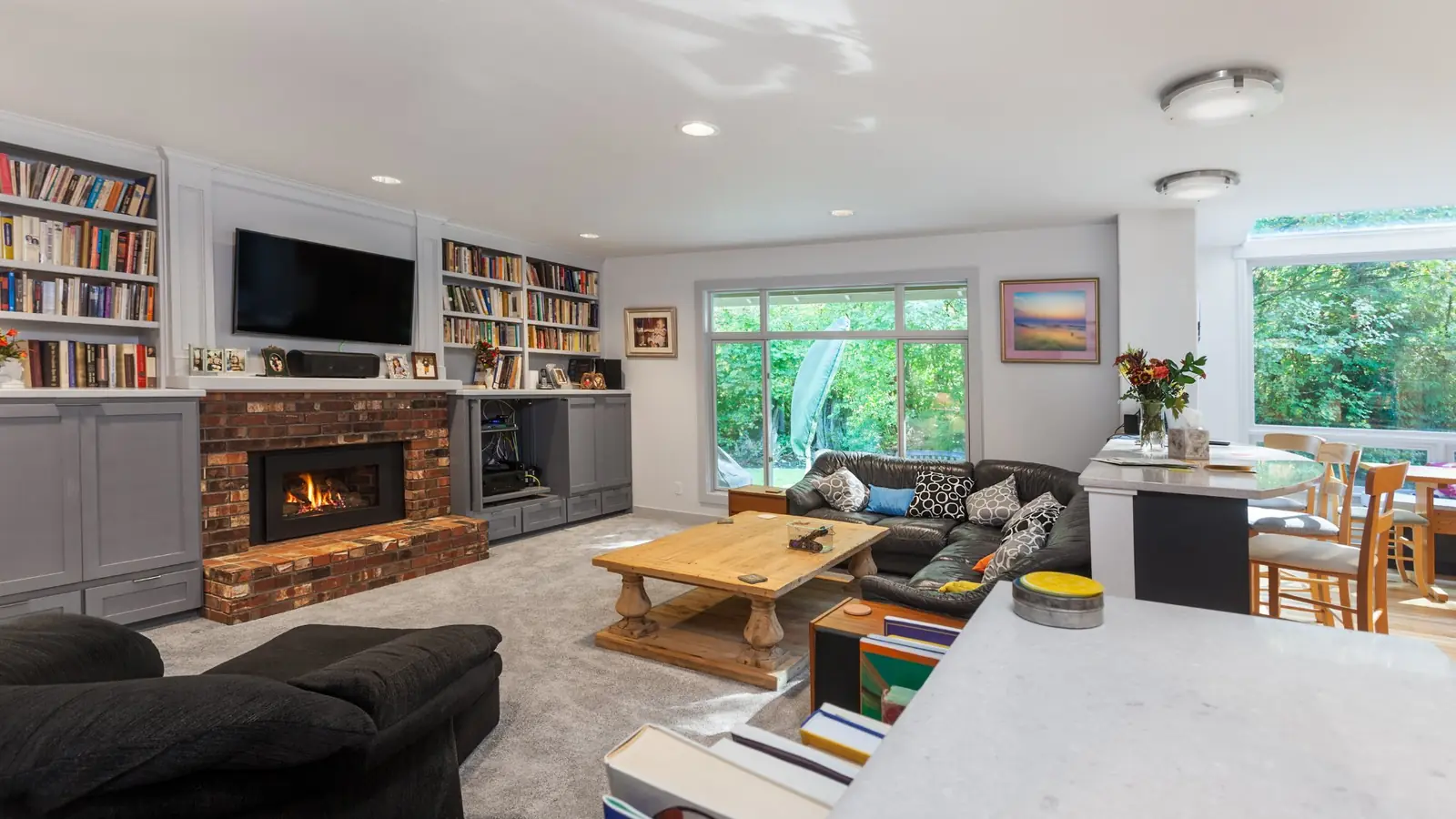
Your basement has potential. That unfinished concrete box is hundreds of square feet waiting to become anything you want. A family gathering space. A private retreat. A guest bedroom suite. A creative workshop. An entertainment hub. The possibilities are only limited by your imagination and budget.
The challenge is envisioning what works for your family and lifestyle. What one homeowner loves (wet bar, game area, home theater) might not match your priorities. This guide explores popular basement remodel ideas, design strategies, and inspiration to help you create a finished basement that truly serves your family.
10 Popular Basement Remodel Ideas
1. Family Entertainment Room
The most popular basement use. Create a comfortable gathering space for family movie nights, board games, and casual entertaining. Include comfortable seating (sectional sofa), good lighting, and entertainment system. Keep layout open and inviting. Budget: $15,000 to $25,000 for quality finishes.
2. Home Theater
Basements are ideal for dedicated theaters. Dark, quiet, controlled environment. Add sloped seating, projection system, sound equipment, and blackout materials. A proper home theater creates immersive entertainment experience and adds resale value. Budget: $20,000 to $50,000 depending on audio/visual quality.
3. Home Office or Studio
Quiet, dedicated workspace. Separate from household chaos. Include desk area, shelving, and good lighting. Perfect for remote workers or creative professionals (writers, designers, musicians). Finished basement office is professional and productive. Budget: $10,000 to $15,000 for quality build-out.
4. Guest Bedroom Suite
Add bedroom and bathroom for guests. Requires egress window (emergency exit) for code compliance. Creates private, comfortable space for visiting family. Combines functionality with hospitality. Budget: $20,000 to $35,000 including bathroom.
5. Fitness and Wellness Room
Home gym, yoga studio, or wellness space. Finished basement eliminates weather excuses for exercise. Add rubber flooring, mirrors, proper lighting, and ventilation. Private, convenient home workout environment. Budget: $8,000 to $15,000 for space and finishes.
6. Wet Bar or Entertainment Kitchen
Compact bar with sink, mini-fridge, and beverage storage. Perfect for entertaining without running upstairs. Add seating and display for wine or spirits. Creates sophisticated entertaining space. Budget: $5,000 to $15,000 depending on complexity.
7. Playroom or Kids' Zone
Safe, contained space for children's play, games, and activities. Keeps toys and mess out of main living areas. Add durable flooring, bright lighting, and storage. Room to grow into. Budget: $8,000 to $12,000.
8. Game Room or Sports Bar
Pool table, ping-pong, darts, arcade games, or sports memorabilia showcase. Ultimate man-cave or family hangout. Combines recreation with social gathering. Budget: $12,000 to $20,000 for space and activities.
9. Wine Cellar or Climate-Controlled Storage
Basements naturally maintain stable temperature and humidity, ideal for wine storage. Build custom racks, climate control system, and display area. Creates collector's showcase. Budget: $10,000 to $25,000 depending on size and system.
10. Craft Studio or Workshop
Dedicated space for hobbies (woodworking, painting, sewing, crafting). Includes work benches, storage, good lighting, and ventilation. Protected space for creative projects. Budget: $8,000 to $15,000 for work-ready environment.
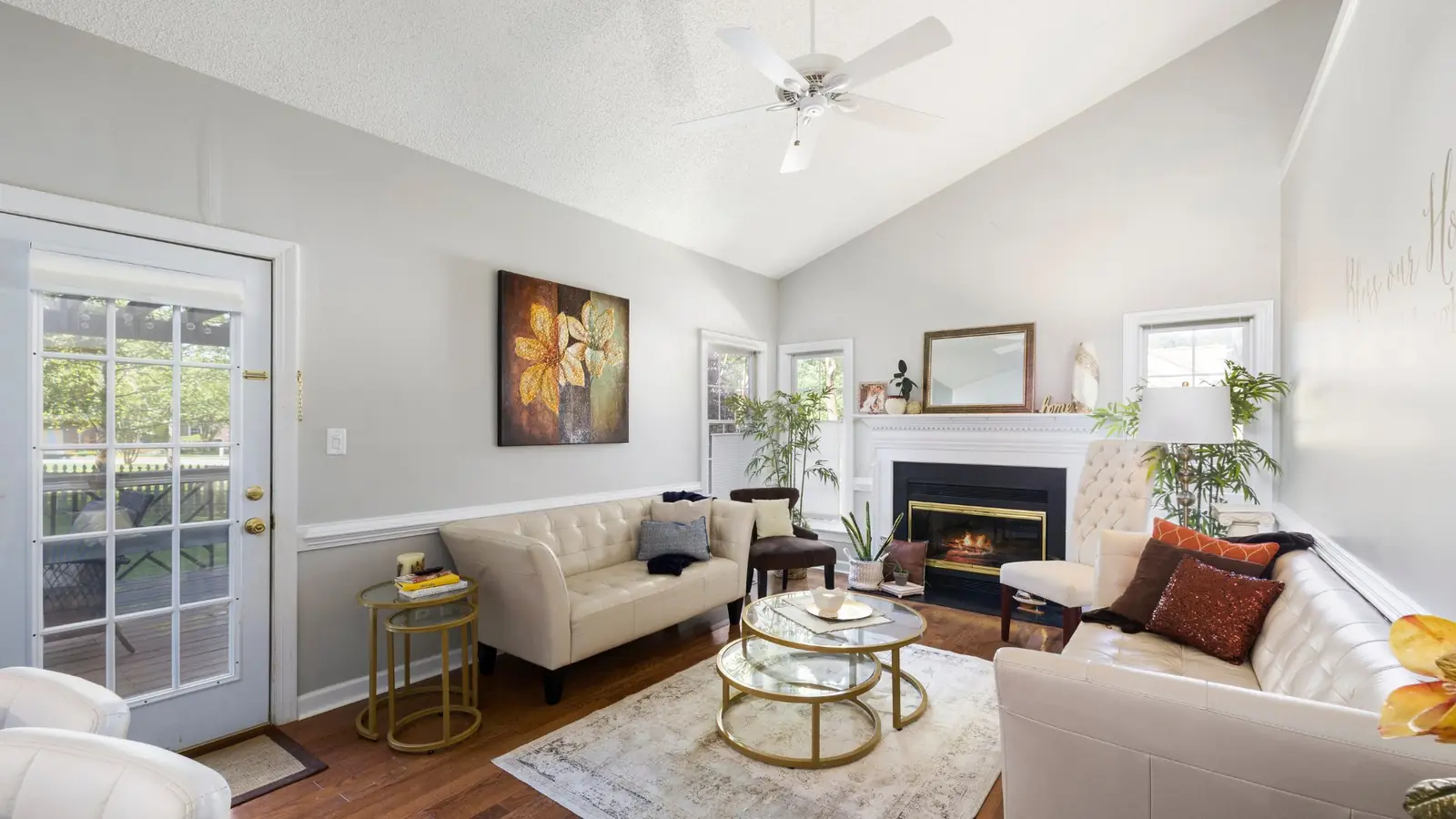
Finished basement living room with fireplace and inviting design
Let's Design Your Dream Basement
We'll help you develop your basement vision, optimize layout for your needs, and build a finished space you'll love for decades.
Call (518) 308-6427 →Design Tips for Basement Remodels
Lighting Transforms Everything
Proper lighting eliminates the cave-like feeling basements are famous for. Layer lighting: recessed ceiling lights for general illumination, wall sconces for warmth, table lamps for ambiance, and accent lighting for architectural features. Bright, well-lit basements feel spacious and inviting.
Color and Finish Matter
Light, neutral colors (whites, creams, soft grays) make basements feel larger and brighter. Dark colors and heavy wood paneling amplify the basement feeling. Warm finishes (natural wood, warm metals) offset the underground location psychologically. Include accent colors for personality without darkness.
Maximize Ceiling Height
Basements typically have 7.5 to 8 foot ceilings. Don't waste an inch with bulky fixtures or dropped ceilings. Use recessed lights, slim ductwork, and minimal trim. Higher perceived ceiling height makes space feel less claustrophobic.
Flexible Layout is Key
Design for flexibility. One large, open room serves multiple uses better than fixed spaces. Use area rugs, furniture grouping, and minimal walls to define zones without committing to single purpose. Families change; layout should adapt.
Include Storage
Built-in shelving, closets, and storage reduce visual clutter. Organized storage makes the space feel intentional and maintained. Include adequate storage for the room's purpose (game closet, wine rack, equipment storage).
Common Basement Layout Mistakes to Avoid
- Ignoring natural columns and features: Work around them; don't fight them. Design layout that makes columns part of the aesthetic.
- Poor electrical outlet placement: Run outlets generously. Far fewer than needed limits furniture placement and functionality later.
- Ignoring moisture: Finish without proper waterproofing and you'll regret it. Address before design.
- One large open room (if not desired): Sometimes small, defined spaces are better. Consider your actual use.
- Forgetting bathroom proximity: Locate bathroom logically. Guests shouldn't traverse entire space to find restroom.
Related Articles
Frequently Asked Questions
What are popular basement remodel ideas?
Popular basement uses include family rooms, home theaters, bedrooms, home offices, fitness rooms, playrooms, wet bars, wine cellars, and craft spaces. The best use depends on your family's lifestyle and how you want the space to function.
Should a basement have one large room or multiple?
One large flexible space is most versatile for basements. Add framing for walls only if you need separate bedrooms. Most families prefer open layout for family room, games, or entertainment with bathroom and maybe home office alcove.
What lighting works best in basements?
Recessed ceiling lights provide clean look and don't interfere with headroom. Combine with wall sconces or table lamps for warmth. Avoid dark corners. Good lighting transforms a basement from cave-like to inviting.
How do I make a basement feel less like a basement?
Use light, warm colors (not dark), include large mirrors to reflect light, choose light flooring, add quality lighting throughout, include natural wood or warm textures, and decorate with art and plants. These choices make basements feel like upstairs living space.
Can a basement bedroom meet code?
Yes. Basement bedrooms require egress (emergency exit) via window well or door, proper ceiling height, ventilation, and electrical outlets. These code requirements add cost but allow legal bedrooms below grade.
What are the best design styles for basements?
Modern, industrial, rustic, contemporary, and neutral transitional styles work well in basements. Avoid overly trendy or seasonal styles. Timeless design ensures your remodel stays appealing for years.