
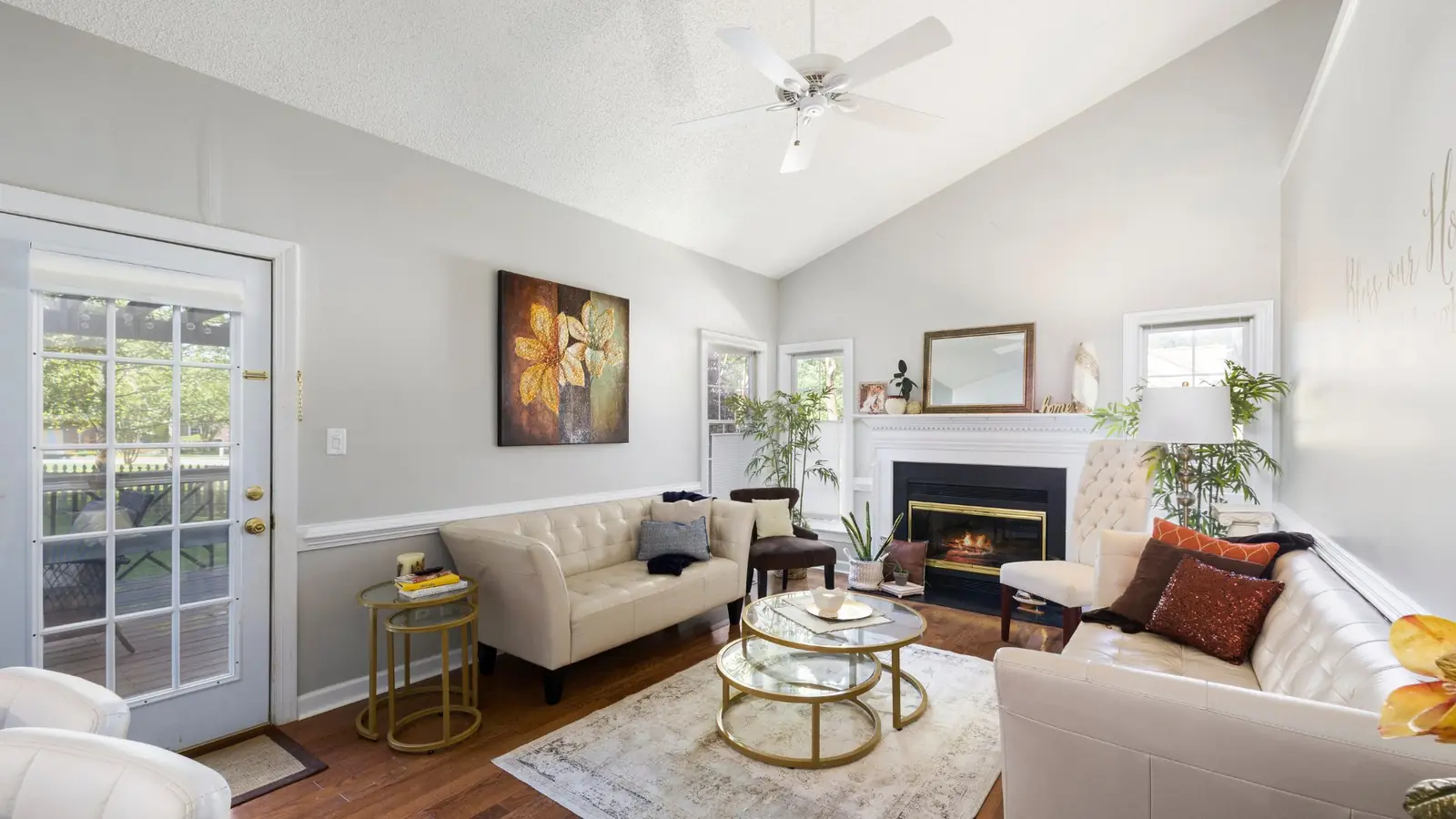
An unfinished basement is wasted potential. In Capital Region homes, that concrete box below grade represents hundreds of square feet of unused living space, space that could become a bedroom, family room, home office, or recreation area. Basement finishing is one of the smartest investments a homeowner can make, adding valuable square footage while recouping 50 to 80% of the project cost at resale.
But finishing a basement isn't just about framing walls and installing drywall. Basements are below-grade spaces that require moisture control, proper ventilation, egress compliance, and climate management. Get these fundamentals wrong, and you'll face mold, cold floors, and code violations. Get them right, and you'll create a cozy, durable living space that adds years of enjoyment and home value.
This guide walks you through every step of basement finishing, from moisture assessment to final touches, so you understand what it takes to transform raw concrete into livable space.
Step 1: Moisture Assessment and Waterproofing
This is the most critical step. Moisture in basements causes mold, structural damage, and health problems. Before you install a single stud or sheet of drywall, you must assess and address water intrusion.
Signs of basement moisture:
- Efflorescence (white powdery deposits on concrete)
- Water stains on foundation walls
- Musty odors
- Previous water intrusion evidence
- Cracks in the foundation
If your basement shows any of these signs, professional waterproofing is essential. Options include interior drainage (perimeter systems with sump pumps), exterior waterproofing (excavation and foundation coating), and dehumidification systems. This investment, typically $3,000 to $8,000, is money well spent to protect your finished space.
Step 2: Framing and Insulation
Once moisture is controlled, you're ready to frame. Basement framing involves building walls on the concrete slab and securing them to the existing structure above. Key considerations:
- Pressure-treated plates: All wood touching concrete must be pressure-treated to resist rot and moisture damage.
- Insulation: Basement walls require insulation, typically 2” foam board or fiberglass batts. This improves comfort and prevents cold walls. Aim for R-15 or higher.
- Vapor barriers: A plastic vapor barrier between insulation and drywall prevents moisture from moving into walls.
- Ceiling height: Basements typically have 7'6” to 8' ceilings. Plan HVAC and electrical runs above drywall.
Framing and insulation cost $3,000 to $6,000 for a typical 500 to 800 square foot basement, depending on complexity and material choices.
Step 3: Electrical and HVAC
Electrical and climate control are essential for a comfortable basement. Older Capital Region homes may require significant upgrades to support a finished basement.
Electrical: Plan for dedicated circuits, lighting, outlets, and possibly a subpanel. Code requires GFCI protection in bathrooms, laundry, and wet areas. Budget $2,000 to $4,000 for full electrical.
HVAC: Basements stay cold and humid without climate control. Options include extending your existing furnace system, installing a mini-split heat pump, or a dedicated unit. Budget $2,500 to $5,000. A dehumidifier ($200 to $500) is also recommended for moisture management.
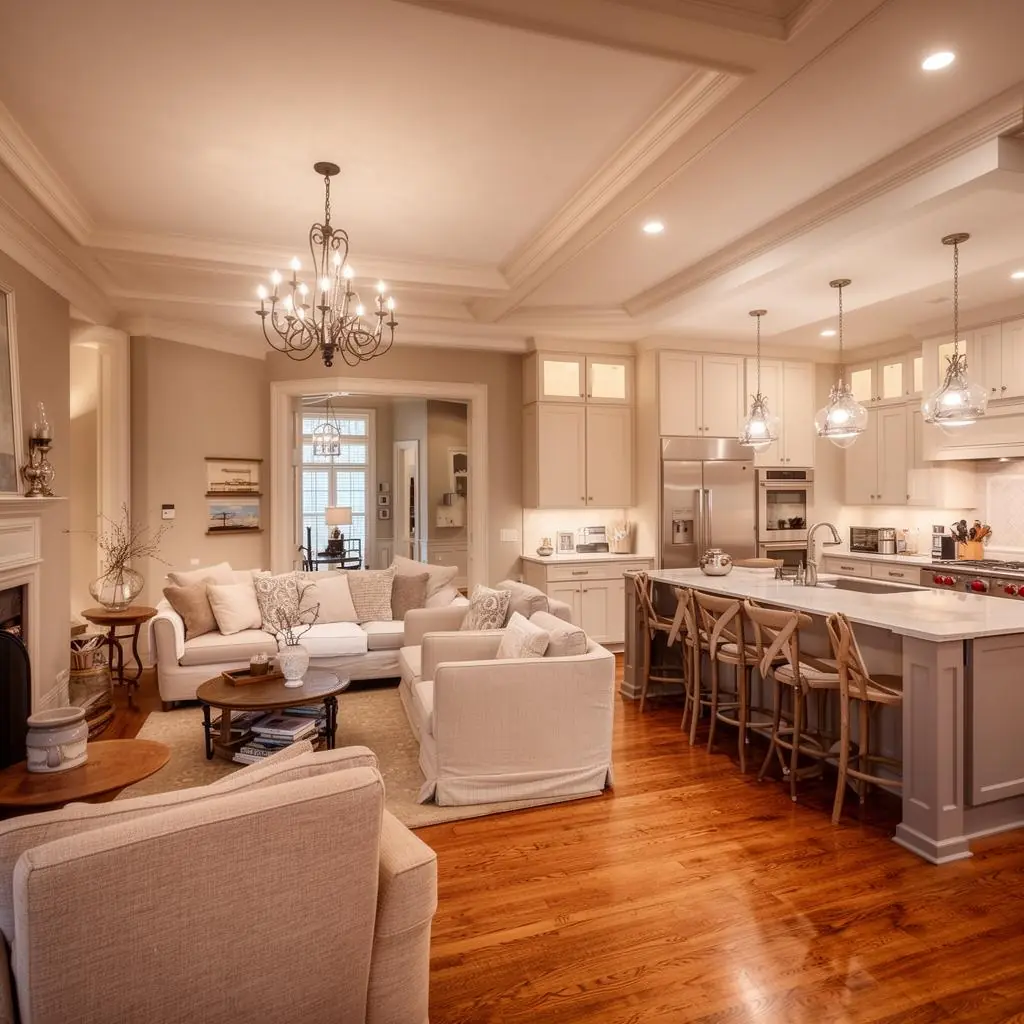
Interior framing and insulation preparation for basement finishing
Step 4: Plumbing (If Adding Bathrooms or Laundry)
If you're adding a bathroom or laundry room, plumbing is a significant component. Basement bathrooms require special attention due to below-grade drainage:
- Sump pumps lift sewage above the main line for proper drainage
- Rough plumbing (supply lines and drain stacks) runs before drywall
- Waterproofing around penetrations prevents leaks
- Budget $2,000 to $5,000 per bathroom fixture group
Step 5: Drywall, Paint, and Finishes
With framing, electrical, and HVAC rough-in complete, you're ready for drywall. Use moisture-resistant drywall (green board) in basements, especially around bathrooms and laundry areas.
After drywall is mudded, sanded, and primed, paint color transforms the space psychologically. Light, neutral colors make basements feel less cave-like. Primer is essential to prevent moisture-related paint failure.
Step 6: Flooring for Basements
Basement flooring must handle moisture. Standard hardwood is not recommended. Better options include:
- Luxury Vinyl Plank (LVP): Water-resistant, durable, affordable ($1,500 to $2,500 installed). Feels warm underfoot.
- Concrete Epoxy: Polished or stained concrete with protective epoxy coating ($2,000 to $4,000). Modern, durable, easy to clean.
- Ceramic or Porcelain Tile: Moisture-proof, durable ($2,500 to $4,500). Colder underfoot; consider radiant heating.
- Engineered Hardwood: More moisture-resistant than solid wood ($2,000 to $3,500). Still requires careful moisture management.
Pro tip: Consider raised floors with a moisture barrier underneath. This air gap helps manage humidity and prevents direct ground contact.
Ready to Finish Your Basement?
Our team handles every phase, moisture assessment, waterproofing, framing, electrical, HVAC, and final finishes. Let's transform that unfinished space into a room you'll actually use.
Call (518) 308-6427 →Basement Finishing Budget: What to Expect
Basement finishing costs vary by scope, but here's a general breakdown for a 500 square foot basement:
- Moisture assessment and waterproofing: $2,000 to $8,000
- Framing and insulation: $3,000 to $6,000
- Electrical and HVAC: $4,500 to $9,000
- Drywall, paint, and trim: $2,000 to $4,000
- Flooring: $1,500 to $4,500
- Finishing touches (lighting, fixtures): $1,000 to $2,500
Total: $14,000 to $34,000 for a completed basement. Complex projects with bathrooms, kitchenettes, or extensive waterproofing can exceed $50,000.
Why Choose Mastaba for Basement Finishing
Basement finishing requires expertise across multiple trades, waterproofing, framing, electrical, HVAC, plumbing, and finishes. At Mastaba, we manage the entire process in-house:
- Professional moisture assessment and waterproofing
- Code-compliant framing and electrical
- HVAC design for comfortable basements
- Quality finishes tailored to your vision
- Full permit handling and inspections
- 5-Year Workmanship Warranty on all work
- Fully Insured with 15+ years of experience
Related Articles
Frequently Asked Questions
What is basement finishing?
Basement finishing is the process of converting an unfinished or semi-finished basement into a livable space by adding insulation, framing, drywall, flooring, electrical, and climate control. This transforms raw concrete into a functional room suitable for bedrooms, family rooms, home offices, or recreation.
Is basement finishing worth the investment?
Yes. Basement finishing adds valuable living space and typically increases home value by 50 to 80% of the project cost. In Capital Region homes, finished basements are highly desirable as additional bedrooms, home offices, or recreation areas.
How do I prevent moisture in a finished basement?
Moisture prevention requires sump pumps, interior or exterior drainage systems, proper grading outside, dehumidification systems, and vapor barriers. In older Capital Region homes, professional waterproofing assessment is essential before finishing. Proper ventilation and humidity control prevent mold growth.
What flooring works best in basements?
Moisture-resistant flooring is critical. Luxury vinyl plank, concrete epoxy, and engineered hardwood work well. Avoid standard hardwood in basements. Some homeowners use tile over a moisture-resistant substrate. Raised floors with air gaps also help manage moisture.
Do I need a permit to finish my basement?
Yes. Basement finishing requires building permits in most jurisdictions, including the Capital Region. Permits ensure proper electrical, plumbing, egress (emergency exits), ventilation, and structural work. We handle all permit applications and inspections.
How long does basement finishing take?
A typical basement finishing project takes 8 to 12 weeks depending on size, moisture remediation needs, and complexity. Waterproofing work, if needed, can add 2 to 4 weeks. We schedule systematically to minimize disruption.